
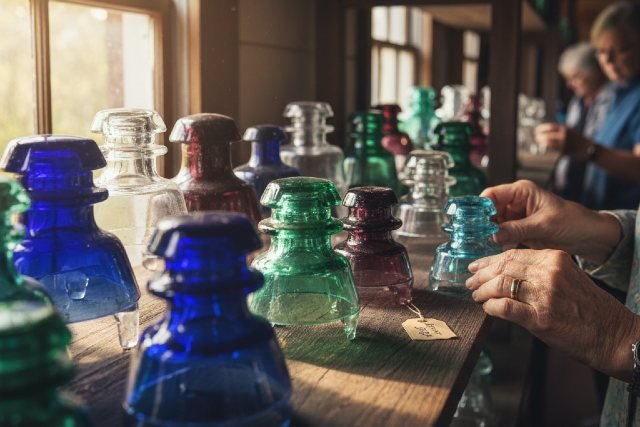
Glass insulators are experiencing a remarkable resurgence in popularity, captivating collectors, historians, and vintage enthusiasts around the world. Within the first hundred words of this article, it’s clear that glass insulators, once simple components used to support telegraph and telephone lines, have become treasured artifacts. Their vibrant colors, unique shapes, and historical significance have turned them into prized collectibles. As interest in antique decor and industrial history grows, glass insulators are making a strong comeback among collectors seeking tangible pieces of America’s electrical past.
The Origins of Glass Insulators and Their Unexpected Revival
Glass insulators were first introduced in the mid-1800s when the telegraph revolutionized communication. These small but essential components prevented electrical current from grounding, ensuring smooth transmission across long distances. Throughout the industrial expansion of the 19th and early 20th centuries, millions of these insulators lined telegraph poles and power lines.
Their revival began when collectors discovered their aesthetic and historical value. As telegraph systems were replaced, many glass insulators were discarded or destroyed, creating a scarcity that increased their desirability. Today’s collectors appreciate them not only for their rarity but also for their role in shaping global communication.
Why Glass Insulators Appeal to Modern Collectors
Glass insulators offer a unique combination of beauty, history, and craftsmanship. Their vibrant hues—ranging from aqua and cobalt blue to amber and olive green—make them stand out as decorative art pieces. Many insulators were produced using hand-blown or early molding techniques, leaving behind bubbles, swirls, and imperfections that make each piece unique.
In addition, collectors are drawn to their historical value. Each insulator tells a story about the evolution of electrical infrastructure. These pieces serve as reminders of how communication networks were built and expanded. According to the Smithsonian Institution, early telegraph technology marked one of the most significant milestones in global communication history (source: si.edu).
The trend toward vintage home decor has also boosted interest in glass insulators. Designers use them as decorative accents, candle holders, pendant lights, and rustic interior pieces. Their charming imperfections and retro look align perfectly with farmhouse, industrial, and eclectic design styles.
The Rarity Factor: What Makes Certain Glass Insulators Valuable?
As with any collectible, rarity plays a major role in determining value. Many insulators were mass-produced, but others were manufactured in limited quantities or discontinued early. Insulators with uncommon colors, distinctive shapes, unusual embossing, or production flaws tend to be the most valuable.
Some unique pieces have fetched impressive prices at auctions. A rare cobalt-blue insulator, for example, has sold for thousands of dollars due to its scarcity. The combination of color variation and manufacturing era makes these insulators highly sought after by advanced collectors.
Historical provenance also increases value. Insulators used in early telegraph lines or major industrial projects attract significant interest. As electricity and communications expanded, so did the variety of insulator designs, creating an extensive range of collectible categories.
Glass Insulators as Decorative and Artistic Pieces
One reason glass insulators are making a comeback is their versatility in home decor. They add character and charm to modern and rustic interiors alike. Some homeowners use them as stand-alone decorative objects, while artists repurpose them into lamps, lanterns, or small sculptures.
Their translucency catches natural light beautifully, creating colorful highlights throughout a room. Designers appreciate glass insulators for their durability and timeless appeal. Their size also makes them easy to style on shelves, mantels, desks, and display cabinets.
The movement toward sustainable decor has further fueled interest. Repurposing vintage glass reduces waste and promotes eco-friendly design — an increasingly important trend among conscious consumers.
How the Digital Age Revived Interest in Glass Insulators
The internet played a significant role in reviving interest in glass insulators. Online communities, forums, and social media groups introduced a new generation of collectors to the hobby. Digital marketplaces made rare pieces easier to find, and virtual auctions expanded access to international collections.
Websites dedicated to historical preservation, like the National Park Service, emphasize the importance of maintaining relics from early communication networks (source: nps.gov). This growing recognition encourages more people to appreciate insulators not just as decorative pieces but as meaningful artifacts.
Today, collectors share tips, restoration techniques, and identification guides online. This renewed sense of community has accelerated the comeback of glass insulators dramatically.
Case Study: A Collector’s Journey into the World of Glass Insulators
Consider the story of a homeowner who discovered a handful of glass insulators while renovating an old barn. Initially, they were simply curious about these colorful objects. After researching their origins, they realized the pieces belonged to a telegraph line that once spanned the property.
This discovery sparked a passion for collecting. Over time, they learned to identify different designs, colors, and markings. Their small find eventually grew into an impressive collection displayed proudly in their home. Their story mirrors that of countless collectors who stumble upon insulators and quickly become fascinated by their historical charm.
Modern Uses of Glass Insulators Beyond Collecting
Beyond traditional collecting, glass insulators are now used in artistic and practical applications. They appear in photography backgrounds, craft projects, architectural designs, and retail displays. Many artisans incorporate them into handmade furniture pieces, combining history with creativity.
Gardeners repurpose them as decorative stakes or plant markers. Photographers use them to create beautiful light-reflection effects. Their adaptability makes them popular across creative fields, elevating their status beyond simple relics of the past.
Frequently Asked Questions About Glass Insulators
What are glass insulators made of?
They are made from thick, durable glass designed to withstand weather conditions and electrical stress.
Are glass insulators valuable?
Some are highly valuable, especially rare colors, early manufacturing designs, and pieces tied to historical landmarks.
Where can collectors find glass insulators?
They can be found at antique shops, online marketplaces, salvage yards, estate sales, and rural properties.
How can I identify rare glass insulators?
Look for unusual colors, embossing, manufacturing marks, and unique shapes. Collector guides and online communities can help.
Are glass insulators still used today?
Most have been replaced by modern materials, but some are still used in specific industrial applications.
Conclusion: Why Glass Insulators Are Making a Comeback Among Collectors
In conclusion, glass insulators are making a strong comeback due to their stunning visual appeal, fascinating history, and growing scarcity. Their colorful designs, unique manufacturing patterns, and historical importance resonate with collectors and vintage enthusiasts. As appreciation for sustainable decor, historical preservation, and antique craftsmanship increases, glass insulators continue to grow in value and popularity. Whether used as decor, displayed as collectibles, or incorporated into creative projects, these timeless artifacts remain cherished pieces of electrical and communication history.