
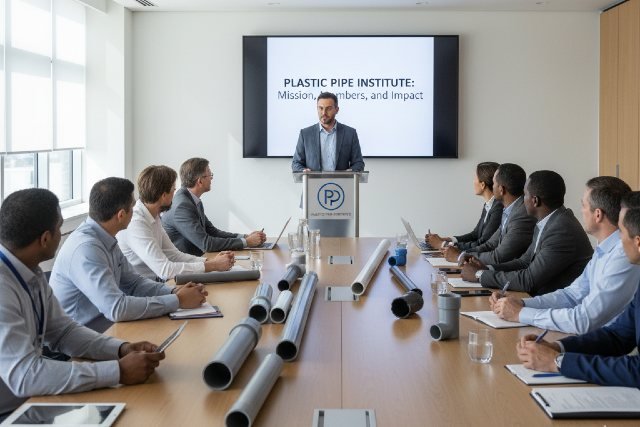
Understanding the Plastic Pipe Institute (PPI)
The Plastic Pipe Institute (PPI) is the leading trade association in North America representing all segments of the plastic pipe industry. Founded in 1950, PPI serves as the voice and technical authority for plastic piping materials used in various applications — from water and gas distribution to industrial and building systems.
PPI’s mission centers on promoting the safe, reliable, and sustainable use of plastic piping systems through research, education, advocacy, and technical standards. Today, it plays an instrumental role in shaping the future of modern infrastructure and sustainability initiatives worldwide.
What Is the Plastic Pipe Institute?
The Plastic Pipe Institute is a nonprofit organization that provides leadership and resources to support the development and use of polyethylene (PE), polypropylene (PP), and other plastic piping materials.
Through collaboration among manufacturers, engineers, and regulators, PPI works to:
- Develop industry standards and technical reports
- Support research and innovation in pipe materials
- Provide education and training for professionals
- Advocate for sustainability and recycling in piping systems
PPI’s expertise extends across multiple industries including energy, water management, construction, telecommunications, and agriculture.
PPI’s Mission and Core Values
The mission of the Plastic Pipe Institute is to advance the acceptance and use of plastic pipe systems through research, education, technical expertise, and advocacy.
Its work is grounded in the following core principles:
| Core Value | Description |
|---|---|
| Safety & Performance | Ensuring plastic piping systems meet or exceed the highest performance and safety standards. |
| Sustainability | Promoting eco-friendly materials that reduce environmental impact. |
| Innovation | Encouraging continuous research into advanced piping technologies. |
| Collaboration | Fostering partnerships across manufacturers, utilities, and engineers. |
Divisions of the Plastic Pipe Institute
PPI operates through five specialized divisions, each focusing on a different application area:
1. Building & Construction Division
Focuses on PEX and CPVC pipes used for plumbing, heating, and cooling systems in residential and commercial buildings.
2. Energy Piping Systems Division
Represents pipes used for oil, gas, and industrial applications, including high-density polyethylene (HDPE) systems.
3. Municipal & Industrial Division
Promotes HDPE and PP piping solutions for municipal water, sewer, and industrial systems.
4. Power & Communications Division
Supports the use of conduit systems for underground power and telecommunications infrastructure.
5. Corrugated Plastic Pipe Division
Focuses on stormwater management and drainage systems, emphasizing durability and environmental benefits.
Members of the Plastic Pipe Institute
Membership in PPI includes a diverse range of stakeholders across the plastic piping ecosystem, such as:
- Manufacturers of plastic pipe, fittings, and components
- Raw material suppliers producing resin and additives
- Equipment manufacturers for extrusion and fusion technologies
- Testing laboratories and certification bodies
- Engineering consultants and utilities involved in system design and implementation
Each member contributes expertise and resources to advance the collective goals of innovation, safety, and sustainability within the industry.
PPI’s Role in Setting Industry Standards
PPI is a recognized authority for creating and maintaining technical standards and manuals used globally. It collaborates with organizations such as:
- ASTM International
- American Water Works Association (AWWA)
- American Gas Association (AGA)
- American Society of Civil Engineers (ASCE)
Through these collaborations, PPI helps ensure plastic piping systems meet consistent standards for performance, reliability, and safety.
The Environmental Impact of Plastic Pipe Systems
One of the key contributions of the Plastic Pipe Institute lies in sustainability. Plastic pipes offer numerous environmental advantages over traditional materials:
Environmental Benefits of Plastic Pipes
- Lower carbon footprint during production and transport
- Corrosion resistance, reducing replacement frequency
- Improved energy efficiency in manufacturing and installation
- Recyclability of materials such as HDPE and PP
PPI promotes Life Cycle Assessment (LCA) studies to quantify these benefits and guide sustainable decision-making across industries.
Research, Education, and Technical Resources
The Plastic Pipe Institute publishes a wide array of technical reports, manuals, design guides, and training materials. These resources help engineers, contractors, and regulators understand the best practices for design, installation, and maintenance.
Key Publications Include:
- Handbook of Polyethylene Pipe
- PPI Technical Notes and Data Reports
- Industry Guidelines for Sustainable Design
Many of these resources are available for free on the PPI official website, promoting open access to trusted technical knowledge.
Plastic Pipe Institute and Innovation in Infrastructure
PPI supports cutting-edge research and innovation in modern infrastructure, including:
- Trenchless technology for non-invasive pipe installation
- Smart water systems that integrate IoT sensors
- High-performance materials for extreme conditions
These innovations drive efficiency, reduce costs, and extend the life of piping systems, aligning with the infrastructure sustainability goals of governments and private sectors alike.
The Global Impact of the Plastic Pipe Institute
While PPI primarily serves North America, its influence extends globally through:
- International partnerships with similar organizations
- Knowledge exchange via conferences and publications
- Global standards development that shape design practices worldwide
PPI’s commitment to quality, safety, and sustainability has positioned it as a trusted global leader in the plastic piping industry.
Frequently Asked Questions (FAQs)
1. What does the Plastic Pipe Institute do?
The Plastic Pipe Institute promotes and supports the safe use of plastic piping systems through research, education, technical standards, and advocacy.
2. Who can become a member of PPI?
Manufacturers, suppliers, engineers, and organizations involved in the design or use of plastic piping systems can apply for membership.
3. Why are plastic pipes preferred over traditional materials?
Plastic pipes are lightweight, corrosion-resistant, energy-efficient, and sustainable, offering longer service life and lower total costs.
4. Where can I find PPI standards and publications?
All major resources are available through the official PPI website.
Conclusion: Why the Plastic Pipe Institute Matters
In summary, the Plastic Pipe Institute plays a vital role in shaping the future of sustainable infrastructure. Through technical expertise, collaboration, and advocacy, PPI empowers industries to adopt safe, efficient, and eco-friendly plastic piping systems that meet the demands of modern society.
As global infrastructure evolves, the Plastic Pipe Institute continues to drive innovation and sustainability, ensuring that plastic piping remains a cornerstone of modern engineering.