
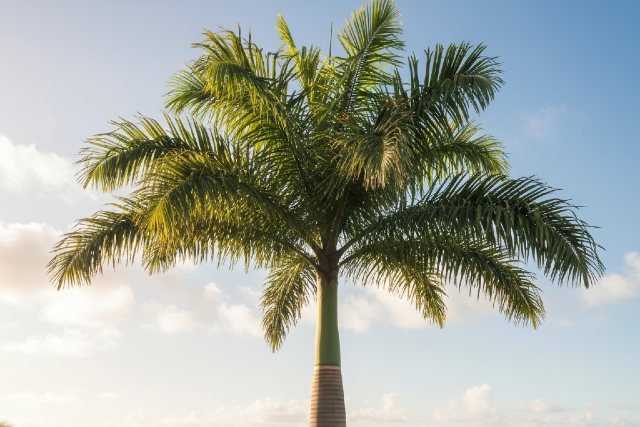
Growing a king palm tree is one of the easiest ways to create a lush, tropical landscape, even outside the tropics. Homeowners and landscapers love it for its fast growth, elegant feather-like fronds, and ability to thrive in warm climates. In this guide, we break down the king palm tree growth rate, expected height, ideal growing conditions, and how to keep your palm thriving year-round.
What Is a King Palm Tree?
The king palm tree (Archontophoenix cunninghamiana) is a fast-growing, single-trunk palm native to the rainforests of eastern Australia. It’s prized for:
- Smooth gray trunk
- Bright green, arching fronds
- Tolerance to partial shade
- Elegant, tropical appearance
King palms are commonly planted in pairs or clusters for a resort-like look.
King Palm Tree Growth Rate (Fast vs. Slow)
How Fast Does a King Palm Tree Grow?
The king palm tree growth rate is considered fast, typically adding:
- 2–3 feet of vertical growth per year in optimal conditions
- 1–2 feet per year in average home landscapes
- Slower growth (0.5–1 foot yearly) in poor soil or cold climates
Growth Rate Comparison Table
| Palm Species | Annual Growth Rate | Notes |
|---|---|---|
| King Palm | 2–3 ft/year | Fast-growing, tolerant of partial shade |
| Queen Palm | 1–2 ft/year | Slightly slower than king palm |
| Foxtail Palm | 1–2 ft/year | Attractive but more cold-sensitive |
| Royal Palm | 2–3 ft/year | Similar growth but needs full sun |
Factors That Influence Growth Rate
Several conditions can accelerate or limit how fast your king palm grows:
1. Sunlight Exposure
- Best: Partial shade to full sun
- Too much direct sun in early years can stress young palms
- Too little light slows growth significantly
2. Soil Quality
King palms prefer:
- Well-draining soil
- Slightly acidic pH
- High organic matter
3. Watering Consistency
These palms love moisture. They grow faster with:
- Deep watering 2–3 times weekly
- Regular mulch to retain soil moisture
4. Fertilization
A tropical palm fertilizer (8-2-12 or 10-5-10) applied three times per year boosts growth.
5. Climate
Warm, humid climates produce the fastest growth. Cold climates slow or stunt palm development.
How Tall Do King Palm Trees Get?
A mature king palm tree height typically reaches:
- 30–40 feet tall in most North American landscapes
- Up to 50–60 feet in native rainforest environments
- 10–15 feet wide canopy spread
Height Milestones
- Year 1–3: 4–10 feet tall
- Year 5: 10–15 feet
- Year 10: 20–25 feet
- Year 15+: 30–40 feet
Their relatively narrow canopy makes them ideal for small yards, poolside areas, and entryways.
Ideal Climate for King Palm Trees
Temperature Tolerance
King palms thrive in warm, frost-free climates.
- Ideal temperature: 65–85°F (18–29°C)
- Survival limit: 26–28°F (–2 to –3°C) for brief periods
- Hardiness Zones: USDA 9b–11
If You Live in a Cooler Climate
You can:
- Plant them in protected courtyards
- Use frost cloth during winter
- Grow in large containers and move indoors temporarily
Humidity & Rainfall Requirements
Native to rainforests, king palms love:
- Moderate to high humidity
- Consistent rainfall or irrigation
- Moist soil (never bone-dry)
Dry desert climates require more frequent watering and mulching.
How to Care for King Palm Trees (Complete Guide)
1. Planting Tips
Choose a spot with:
- Morning sun, afternoon shade
- Good drainage
- Space for roots to spread (8–10 feet from sidewalks or structures)
Plant in spring for best results.
2. Watering Schedule
Young palms (first 2 years):
- Water 3–4 times per week
Mature palms:
- Water 1–2 times per week, depending on climate
Signs of underwatering:
- Leaf browning at tips
- Slow or stunted growth
3. Fertilizing Tips
Use a palm-specific fertilizer containing:
- Magnesium
- Potassium
- Iron
Apply every 4 months for steady, healthy growth.
4. Pruning
Minimal pruning is needed — only remove fronds that are:
- Fully brown
- Broken
- Hanging downward
Avoid over-pruning, which stresses the tree and slows growth.
Common Problems Affecting King Palm Growth
1. Cold Damage
Symptoms:
- Browning fronds
- Soft or limp new growth
- Growth halt
Protection:
- Frost blankets
- Heat lamps for small palms
2. Nutrient Deficiencies
King palms are prone to:
- Potassium deficiency (yellowing older leaves)
- Magnesium deficiency (frizzle-top appearance)
- Iron deficiency (yellow new leaves with green veins)
Use a balanced palm fertilizer to correct these issues.
3. Overwatering or Poor Drainage
This causes:
- Root rot
- Crown rot
- Fungus growth
Plant on mounds or amend soil with sand if drainage is poor.
FAQs About King Palm Trees
1. How fast does a king palm tree grow?
Most king palms grow 2–3 feet per year in ideal conditions.
2. How tall do king palms get?
They reach 30–40 feet in most landscapes and up to 60 feet in native habitats.
3. Do king palm trees need full sun?
They prefer partial shade when young, but thrive in full sun as adults.
4. Can king palms survive frost?
Only short, light frosts down to 26–28°F. Prolonged freezing temperatures can kill them.
5. Are king palms good for small yards?
Yes. Their narrow trunks and clean growth habit make them ideal for compact spaces.
Conclusion
The king palm tree is a fast-growing, elegant, and relatively low-maintenance palm ideal for warm climates. With the right conditions — consistent watering, rich soil, and mild weather — it can grow 2–3 feet per year and reach 30–40 feet tall. Whether you’re landscaping a home, pool area, or tropical garden, the king palm delivers reliable beauty and year-round greenery.