
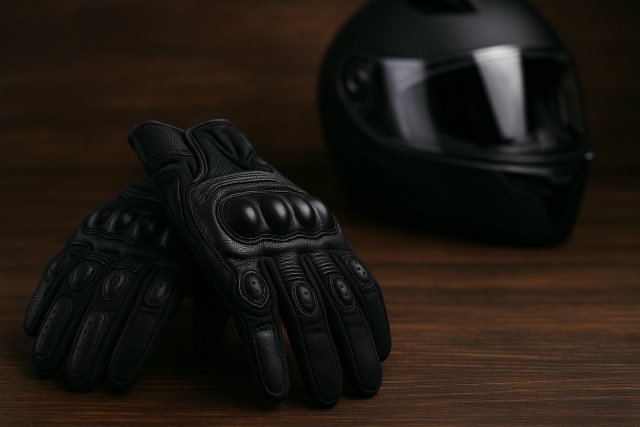
Choosing the right moto gloves is one of the most important decisions a rider can make. Gloves aren’t just accessories; they’re essential protective gear that safeguard your hands from impact, abrasion, weather, and fatigue. Within the first few rides, you’ll realize how heavily you depend on grip, finger dexterity, and comfort — and the perfect pair of gloves can elevate your entire riding experience.
In this comprehensive moto gloves buying guide, we’ll dive deep into the features every rider should consider, from safety certifications and armor to materials, stitching, fit, ventilation, seasonal needs, and more. Whether you’re a beginner or an experienced rider, this guide ensures you make an informed decision rooted in safety and performance.
Why Moto Gloves Matter More Than You Think
Motorcyclists are 30 times more likely to experience hand injuries in a crash compared to car drivers, according to the Hurt Report (a well-known traffic safety study). Your hands are often the first point of contact during an accident — which is why riding gloves are considered mandatory safety equipment.
Gloves Protect You From:
- Impact injuries
- Abrasion during sliding
- Weather conditions like cold, rain, or heat
- Blisters and hand fatigue
- Loss of grip while braking or throttling
When choosing gloves, “good enough” isn’t good enough. You need gloves designed specifically for motorcycle use — not biking or fashion gloves.
Key Features to Look For When Buying Moto Gloves
Below are the most essential considerations when selecting moto gloves. Each feature plays a unique role in protection, comfort, and durability.
1. Material Quality (Leather vs. Textile)
The material determines durability, sliding resistance, comfort, and even sensitivity.
Leather Moto Gloves (Best for Protection)
Pros:
- Superior abrasion resistance
- Excellent longevity
- Better grip feel
- Ideal for sport, racing, and touring
Cons:
- Can feel stiff initially
- Limited waterproofing unless treated
Common Leather Types:
- Cowhide (strongest and most common)
- Goatskin (soft and flexible)
- Kangaroo leather (premium, lightweight, very strong)
Textile Moto Gloves (Best for Versatility)
Pros:
- Breathable and lightweight
- Affordable
- Great for hot weather riding
- Often comes with waterproof/breathable membranes
Cons:
- Less durable than leather
- May wear out faster with heavy use
Hybrid Gloves
Combine leather abrasion panels with textile breathability. Ideal for urban riders wanting the best of both worlds.
2. CE Certification & Armor Protection
Look for gloves that comply with EN 13594:2015 CE standards, which classify moto gloves into:
- Level 1 (Basic protection)
- Level 2 (Advanced racing-level protection)
Essential Armor Areas:
- Knuckles: Hard shell (carbon fiber, TPU, or polymer)
- Palm Sliders: Reduce wrist injuries by preventing friction-based “grab”
- Finger Armor: Soft or hard protective inserts
- Wrist Reinforcement: Prevents hyperextension during a fall
Tip: If a glove has palm sliders, dual-layer palms, and reinforced stitching, it’s usually a high-quality safety choice.
3. Fit and Comfort
A glove should feel snug but not tight.
Check for:
- No pinching or numbness
- Finger length matching your own
- Natural curvature (pre-curved fingers)
- Comfort while gripping handlebars
- Stretch panels in key areas
A poorly fitting glove can reduce throttle control, affect braking sensitivity, and cause fatigue during long rides.
4. Closure Systems (Straps & Tightening)
A glove that slips off during a crash is useless.
Look for:
- Dual-closure systems on advanced gloves (wrist strap + cuff strap)
- Hook-and-loop (Velcro) for adjustability
- Secure cuff length depending on riding style
Short Cuff vs. Long Cuff
| Type | Best For | Pros | Cons |
|---|---|---|---|
| Short Cuff | City & summer riding | Breathable, flexible | Less wrist protection |
| Long Cuff (Gauntlet) | Touring, sport, long-distance | Superior protection | Bulkier, warmer |
5. Ventilation & Weather Adaptability
Weather greatly influences glove choice.
Summer Moto Gloves
- Mesh panels
- Perforated leather
- Lightweight textile
Winter Moto Gloves
- Thick insulation
- Waterproof membrane
- Windproof layers
- Longer cuffs for jacket overlap
All-Season Moto Gloves
- Gore-Tex® or D-Dry® membranes
- Adjustable vents
- Water-resistant leather
6. Grip & Control Features
These improve overall ride feel, especially on long rides.
Must-Have Features:
- Silicone or rubber grip zones
- Anti-slip palm patches
- Pre-curved construction
- Flex panels on fingers and knuckles
Touchscreen Compatibility
Look for conductive fingertips compatible with GPS devices or smartphones.
7. Stitching & Construction
Poor stitching is a common failure point in accidents.
Good Gloves Use:
- Double or triple-stitched seams
- External stitching on fingers for comfort
- Aramid/Kevlar thread in high-impact zones
- Reinforced palm padding
Avoid gloves with loose threads or thin seams.
Different Types of Moto Gloves (and Which One You Need)
Racing Gloves
- CE Level 2 armor
- Full-grain leather
- Palm sliders, carbon knuckles
- Long cuffs
Best For: Track days, high-speed riders
Touring Gloves
- Comfortable for long distances
- Waterproof membranes
- Warm liners
- Durable leather/textile mix
Adventure / Dual Sport Gloves
- Rugged, weather-resistant
- Knuckle armor
- Highly breathable
- Reinforced palms
Off-Road / Motocross Gloves
- Lightweight and flexible
- Minimal armor (for mobility)
- High ventilation
- Silicone grip
Urban / Commuter Gloves
- Lightweight
- Flexible materials
- Touchscreen fingertips
- Short cuff designs
Moto Glove Size Chart (General Guide)
| Size | Palm Circumference (inches) | Palm Circumference (cm) |
|---|---|---|
| XS | 6–6.5″ | 15–16.5 cm |
| S | 7–7.5″ | 17–19 cm |
| M | 8–8.5″ | 20–21.5 cm |
| L | 9–9.5″ | 22–24 cm |
| XL | 10–10.5″ | 25–27 cm |
| XXL | 11″+ | 28+ cm |
Tip: Always follow the manufacturer’s specific size chart since sizing varies by brand.
Top Brands for Moto Gloves (Trusted by Riders)
- Alpinestars
- Dainese
- REV’IT!
- KNOX
- Held
- Icon
- Racer Gloves
You can link this section internally to your “Best Moto Gloves” guide for SEO benefit.
FAQs (Optimized for Featured Snippets)
Q1: How tight should moto gloves be?
Moto gloves should fit snugly without restricting movement. You should be able to make a full fist comfortably.
Q2: Are leather gloves better than textile?
Leather offers better abrasion resistance, while textile provides ventilation and waterproofing. Choose based on your riding conditions.
Q3: Do I need different gloves for winter and summer?
Yes. Summer gloves are breathable, while winter gloves offer insulation and waterproofing.
Q4: What is CE Level 2 protection?
CE Level 2 is the highest safety rating for moto gloves, offering superior impact absorption.
Conclusion
Choosing the right moto gloves is a blend of safety, comfort, and riding style. Whether you’re commuting, touring, racing, or cruising, the right pair protects your hands, improves bike control, and enhances your overall riding experience. Remember to prioritize CE certification, proper fit, quality materials, and weather suitability.
A well-chosen pair of moto gloves isn’t just gear — it’s peace of mind on every ride.