
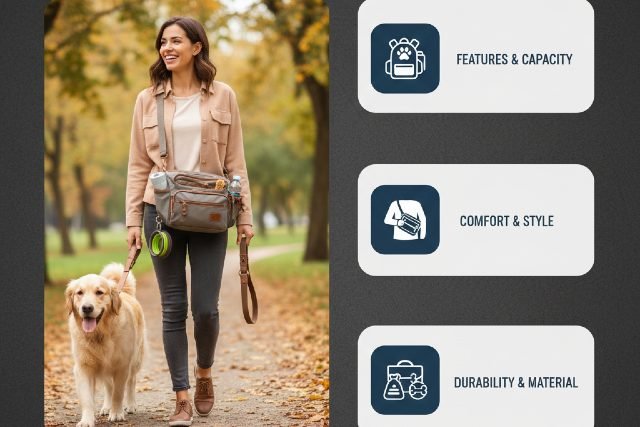
Choosing the right dog walking bag can completely transform your daily walks, making them smoother, more organized, and far more enjoyable. Whether you’re strolling through the neighborhood, hiking a trail, or heading to a dog-friendly park, the right bag ensures that everything you need — from poop bags to treats and personal essentials — is always within reach.
In this complete guide, you’ll learn exactly what to look for in a dog walking bag, how to match it to your lifestyle, and what features actually matter when you’re out with your pup.
Why a Dog Walking Bag Is More Important Than You Think
Many pet owners underestimate the convenience of a well-designed dog walking bag until they try one. It frees up your hands, keeps essentials organized, and encourages better walking habits. A 2023 survey by the American Pet Products Association found that over 69 million households own dogs, and most daily walkers reported that organization during outings increases the quality of their walks and reduces stress.
With a thoughtfully chosen bag, you’re not just carrying supplies — you’re enhancing the walking experience for both you and your dog.
What Makes a Dog Walking Bag “Perfect”? The Criteria Explained
Finding the perfect dog walking bag depends on several practical factors. Below, we break down the most important considerations so you can choose a bag tailored to your needs.
1. Size and Storage Capacity
Your dog walking bag should be compact enough to carry comfortably but spacious enough to hold essentials such as poop bags, treats, collapsible bowls, keys, your phone, and water.
If you take longer walks or have multiple dogs, a medium or large capacity bag offers better convenience. For quick neighborhood strolls, a smaller crossbody or waist-style bag works beautifully.
2. Material Quality and Durability
Weather changes fast, and your bag should be ready for rain, mud, or accidental spills. Look for water-resistant or waterproof fabrics, reinforced stitching, and zippers designed for outdoor use.
Nylon, polyester, and vegan leather are excellent choices because they are lightweight yet durable enough for daily walking routines.
3. Comfort & Carrying Style
Since you’ll wear a dog walking bag often, comfort is critical. Options include:
- Crossbody bags
- Belt/waist bags
- Sling bags
- Backpack-style walking bags
Choose the style that best matches your walking habits. For example, a crossbody design evenly distributes weight and keeps the bag accessible at all times.
4. Built-In Poop Bag Dispenser
This is a must-have feature. A dispenser prevents fumbling at the worst possible moment and keeps waste bags clean and ready. High-quality dog walking bags include an easy-pull opening that prevents tearing and keeps rolls secure.
5. Organization & Compartments
A good dog walking bag should keep items separated. You don’t want treats mixing with your phone or dirty waste bags sitting near clean accessories.
Look for bags with:
- Waterproof pockets
- Treat compartments
- Zippered sections for valuables
- Mesh areas for toys or wet items
The more intentional the layout, the smoother your walking routine becomes.
6. Safety Features
Some dog walking bags include reflective strips or bright colors for nighttime visibility. This is especially important if you walk early in the morning or after sunset.
7. Washability
Walks mean dirt, crumbs, and smears — so choose a dog walking bag that’s easy to wipe clean or machine washable. Bags with removable liners are even better for hygiene.
Matching the Dog Walking Bag to Your Lifestyle
For City Walkers
Urban pet owners benefit from smaller, sleek bags that stay close to the body and allow quick access to essentials. A crossbody design prevents theft, tangling, and bulkiness on crowded sidewalks.
For Hikers & Outdoor Adventurers
Choose a durable, larger-capacity bag with water bottle holders and weather-resistant materials. Sling bags and lightweight mini-backpacks work especially well on trails.
For Multi-Dog Families
Opt for a spacious bag with multiple treat pockets, dual water compartments, and reinforced straps. Organization matters even more with multiple pups.
For Professional Dog Walkers
A professional-grade dog walking bag should include:
- Extra waste bag storage
- Separate compartments for different dogs’ treats
- Space for training tools
- Clip-on areas for leashes or clickers
Professionals who walk several dogs at once often rely on bags that function more like compact toolkits.
Common Mistakes People Make When Choosing a Dog Walking Bag
Many dog owners buy the first bag they see, but the wrong bag can become frustrating quickly. Avoid these frequent mistakes:
Choosing a bag without waterproofing makes it vulnerable to rain and spills during walks.
Overlooking the strap comfort often leads to shoulder strain, especially during long outings.
Skipping compartments may cause clutter, making it hard to find items quickly when your dog needs something.
Real-Life Example: How the Right Dog Walking Bag Improves Walks
Imagine you’re halfway through a 45-minute walk when your dog suddenly needs a cleanup, wants a treat, or gets thirsty. With an organized bag, you can reach every item instantly without breaking the rhythm of the walk.
Dog owners who switch from carrying items in pockets to using a dedicated walking bag report a noticeable improvement in walk quality, reduced stress, and better training consistency since treats and tools are always available.
FAQs
What should I keep in my dog walking bag?
Most owners include poop bags, treats, a collapsible bowl, water, hand sanitizer, keys, training tools, and personal items like a wallet or phone. Choose a bag with enough compartments to keep these items organized.
How big should a dog walking bag be?
For daily walks, a small to medium-sized bag works for most people. If you hike or walk multiple dogs, select a larger bag with additional storage.
Are dog walking bags worth it?
Yes. They keep your walks organized, reduce stress, and ensure you always have essentials ready. Many users find that having a dedicated bag leads to more enjoyable, consistent walks.
What material is best for a dog walking bag?
Water-resistant nylon or polyester is ideal for durability and ease of cleaning. These materials withstand rain, mud, and frequent outdoor use.
Conclusion: Choosing the Right Dog Walking Bag Enhances Every Walk
The perfect dog walking bag is one that fits your lifestyle, keeps your essentials organized, and withstands daily outdoor use. From durability and size to compartment layout and comfort, each detail contributes to smoother, safer, and more enjoyable walks with your dog.
Investing in the right bag ensures you’re always prepared — turning every stroll, hike, or adventure into a stress-free experience.