
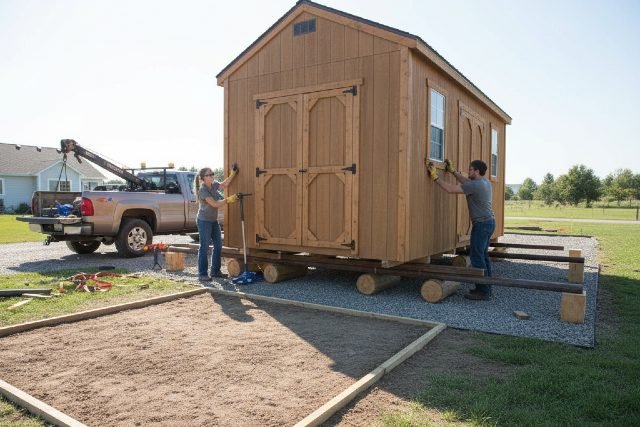
Moving a shed is no small project. Whether you’re rearranging your backyard, relocating to a new home, or preparing for a landscaping upgrade, knowing how to move a shed safely can save you time, money, and major headaches. With the right planning, tools, and method, you can transport even large sheds without causing damage to the structure — or yourself.
This guide covers everything you need to know, including cost breakdowns, DIY vs. professional options, tools required, step-by-step methods, and expert safety tips.
Table of Contents
- What to Know Before Moving a Shed
- Tools Needed to Move a Shed
- Methods: How to Move a Shed Safely
- Cost to Move a Shed (DIY vs. Professional)
- Permits, Regulations & Safety Requirements
- Common Mistakes to Avoid
- FAQs
- Conclusion
What to Know Before Moving a Shed
Before you begin the process, evaluate the following:
1. Shed Size and Weight
- Small plastic sheds: 100–300 lbs
- Medium wooden sheds: 1,000–2,500 lbs
- Large sheds with floors: 3,000–6,000+ lbs
Manufacturers like Tuff Shed and Lifetime list weight specs online.
2. Shed Condition
Check for:
- Rot or termite damage
- Weak flooring
- Loose siding
- Roof instability
If the structure seems compromised, reinforce it or hire pros.
3. Ground Conditions
Avoid moving sheds on:
- Soft soil
- Mud
- Hills over 10° incline
- Rocky terrain
You may need plywood boards for traction.
Tools Needed to Move a Shed
To move a shed, you’ll typically need the following:
Recommended DIY Tools
| Tool | Purpose |
|---|---|
| Floor jacks | Lift shed without damage |
| Lumber beams (4×4 or 4×6) | Supports and rails |
| PVC or metal rollers | Rolling method |
| Come-along winch | Pull shed across yard |
| Utility trailer | Transport method |
| Ratchet straps | Secure shed during transport |
| Pry bar | Lift corners safely |
| Work gloves | Injury prevention |
How to Move a Shed Safely (Step-By-Step)
Below are the three most reliable methods to move a shed depending on size, budget, and terrain.
Move a Shed on Rollers (Best for Short Distances)
This is the classic way to move a shed across a yard.
Step-by-Step Instructions
- Clear the area
Remove bushes, debris, rocks, and obstacles. - Empty the shed
Reduces weight and prevents internal damage. - Lift the shed using jacks
Raise each corner a few inches at a time. - Place lumber beams under the shed frame
These act as rails. - Position PVC or metal rollers beneath the beams
Space rollers about 12–18 inches apart. - Push or winch the shed slowly
Move the rollers from the back to the front as the shed moves. - Lower the shed in its new location
Pros
- Low cost
- No heavy machinery
- Very gentle on the shed
Cons
- Requires manpower
- Slow process
Using a Trailer (Best for Long Distances)
How to Move a Shed With a Trailer
- Jack up the shed and slide beams underneath.
- Back the trailer up to the shed.
- Use ramps or winch to pull shed onto trailer.
- Secure tightly with ratchet straps.
- Drive slowly (under 25 mph recommended).
- Reverse process to unload.
Ideal for:
- Moving a shed to a new home
- Transporting across town
Pros
- Fast and efficient
- Works for medium and large sheds
Cons
- Requires a heavy-duty trailer
- Shed must be structurally strong
Hire Shed-Moving Professionals
Professionals use hydraulic equipment and custom trailers designed for shed transportation.
What Pros Typically Include
- Site inspection
- Shrub/tree trimming if needed
- Shed disassembly (if required)
- Transport and relocation
- Re-leveling and foundation setup
Best For
- Large sheds (10×16, 12×20, etc.)
- Sheds on uneven terrain
- High-value structures
Cost to Move a Shed
How much it costs depends on size, distance, and condition.
Average Shed Moving Costs
| Shed Size | DIY Cost | Professional Cost |
|---|---|---|
| Small (6×8) | $50–$150 | $200–$300 |
| Medium (8×12) | $100–$300 | $300–$700 |
| Large (10×16+) | $200–$500 | $600–$1,500+ |
| Oversized (12×20+) | $300–$700 | $1,000–$2,500 |
Extra Fees Professionals May Charge
- Distance over 50 miles
- Reassembly or repairs
- Foundation work
- Difficult terrain
According to HomeAdvisor, national averages fall between $225–$1,500+ depending on complexity.
Permits & Regulations for Moving a Shed
Depending on where you live, you may need:
You May Need a Permit If:
- Shed is over 120 sq ft
- Moving the shed to a front or side yard
- Transporting on public roads
Safety Tips When Moving a Shed
- Wear gloves, boots, and eye protection.
- Never place hands under shed beams.
- Move slowly and avoid sudden shifts.
- Inspect jacks regularly to avoid collapse.
- Keep children and pets away from work area.
Tip: If your shed weighs over 3,000 lbs, don’t attempt DIY.
Common Mistakes to Avoid
- Not checking for rot before lifting
- Moving a shed with items inside
- Skipping foundation leveling after relocation
- Using too few rollers
- Pulling from the roof (causes collapsing)
Real-World Example
A homeowner in Ohio needed to move a 10×12 wooden shed 150 feet to make room for a driveway. Using jacks, PVC rollers, and a winch, three people moved the shed in under three hours — total cost under $120.
However, moving the same shed across town (10 miles away) required a professional mover and cost $420, including re-leveling.
FAQ: How to Move a Shed
1. Can you move a shed without tearing it apart?
Yes. Most sheds — especially wood and metal — can be moved intact using rollers, sleds, or trailers.
2. How do you move a shed by yourself?
Use jacks to lift it, place rollers or skids, and slowly pull it using a come-along. However, for safety, at least two people are recommended.
3. Is it cheaper to move or rebuild a shed?
For sheds under 8×10, rebuilding is sometimes cheaper. For larger sheds, moving is almost always more cost-effective.
4. Do you need a permit to move a shed?
You may need one if moving to a different property or if the shed exceeds local size limits (often 120 sq ft).
Conclusion: The Best Way to Move a Shed Safely
Learning how to move a shed safely comes down to the right method, tools, and preparation. For short distances, rollers or sleds are affordable and reliable. For longer relocations, a trailer — or even better, professional movers — ensures your shed arrives intact and level. By following the guidance in this article, you can protect your shed, avoid costly mistakes, and complete the move with confidence.