
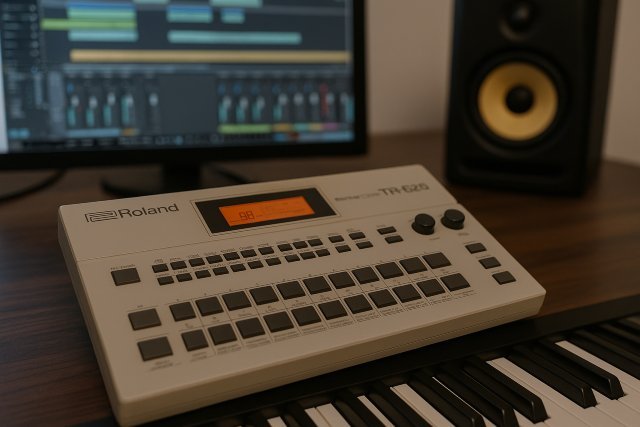
Using Roland TR-626 samples in modern music production is one of the easiest ways to blend vintage drum machine flavor with today’s clean, punchy sound. Whether you produce electronic, hip-hop, synthwave, pop, or house music, the TR-626’s clean, 12-bit character offers a unique option for layering, designing hybrid drums, and adding retro texture to your tracks.
In this comprehensive guide, you’ll learn how to integrate TR-626 samples effectively, enhance them with modern processing, and use them in your workflow like a pro.
What Makes Roland TR-626 Samples Special?
The Roland TR-626 samples, released in 1987, offered a different sonic profile compared to the popular TR-808 or TR-909. Instead of analog synthesis, it used 12-bit PCM samples, which delivered:
- Crisp high-end texture
- Short transients perfect for layering
- Clean, digital character
- Flexible multi-output routing on the original hardware
Although the machine itself is discontinued, quality Roland TR-626 samples preserve its distinctive tonal character for today’s producers.
Signature Sounds from the TR-626 Include:
| Drum Sound | Description | Best Use Cases |
|---|---|---|
| Kick | Tight, punchy, low-noise | Pop, EDM, house, layering |
| Snare | Crisp digital attack | Synthwave, trap layers, pop |
| Claps | Clear and thin | House, retro styles, Foley layers |
| Hi-hats | Clean, short 12-bit | Drum machine grooves, tech house |
| Percussion | Toms, claves, shakers, cymbals | Retro electronic, world fusion |
How to Use Roland TR-626 Samples in a Modern DAW
1. Organize Your Sample Pack
Before you begin, create a folder structure such as:
- Kicks
- Snares
- Hats
- Percussion
- Claps
- Cymbals
- FX
This improves workflow speed and helps with sample auditioning.
2. Load TR-626 Samples Into a Sampler or Drum Machine Plugin
Most DAWs have built-in tools for this:
- Ableton Live: Drum Rack / Simpler
- FL Studio: Channel Sampler / FPC
- Logic Pro: Quick Sampler / Drum Machine Designer
- Cubase: Groove Agent
- Studio One: Impact XT
Assign each TR-626 sample to a pad or MIDI note so you can play patterns easily.
Best Techniques for Using Roland TR-626 Samples Today
1. Layer the TR-626 Kick for Extra Punch
The kick on the 626 is tight but not heavy. Use it as:
- A transient layer for modern 808s
- A mid-range body layer for EDM kicks
- A click layer to define attack in trap or pop
Tip: Use a transient shaper to control the intensity of the attack.
2. Enhance the Snare with Reverb or Analog Saturation
The TR-626 snare is thin by today’s standards. Improve it by:
- Adding gated reverb for an ‘80s feel
- Using tape saturation for warmth
- Layering with a clap or noise burst
Plugins like RC-20, FabFilter Saturn, or Soundtoys Decapitator work extremely well.
3. Use Hi-Hats for Groove Precision
The clean digital hats work well in:
- House
- Synthwave
- Lo-fi pop
- Experimental electronic
Modern producers often route TR-626 hats through:
- Bitcrushers
- High-frequency exciters
- Stereo spreaders
Keeping hats bright but controlled helps them stand out in the mix.
4. Add Retro Texture With Bit-Crushing
To replicate the 12-bit sampler feel:
- Reduce bitrate to 12-bit or 8-bit
- Reduce sample rate to 22 kHz
- Add mild aliasing
Plugins: D16 Decimort 2, Krush, Ableton Redux
5. Use TR-626 Percussion for Unique Fills
The 626 includes underrated percussion:
- Toms
- Congas
- Shakers
- Ride / crash cymbals
- Claves
These work especially well for:
- Trap fills
- Tech house grooves
- Retro electro patterns
- Live-feel rhythm sections
Modern Genres That Use Roland TR-626 Samples
Synthwave & Retrowave
A perfect match for the digital sheen of the 1980s.
House & Tech House
The crisp hats and claps layer beautifully with deeper drum samples.
Pop
Producers use TR-626 layers to add clarity without mud.
Hip-Hop & Trap
Kicks and hats create punchy, forward-driving rhythms.
Lo-Fi
Bit-reduced TR-626 samples give nostalgic character.
Sound Design Ideas Using TR-626 Samples
1. Create “Hybrid Drums”
Layer a TR-626 sample with:
- Analog 808 sounds
- Acoustic drum samples
- Foley textures/noise
Blend with EQ to keep the top-end crisp.
2. Build Modern EDM Drum Racks
Combine 626 hats + 909 snare + 808 sub kicks
→ A powerful modern drum kit with an old-school twist.
3. Turn TR-626 Samples into FX
Try:
- Time-stretching claps
- Reversing toms
- Granular processing on cymbals
These work great in intros, risers, and transitions.
Mixing Tips for Roland TR-626 Samples
EQ Tips
- Kicks: Boost 80–120 Hz for fullness
- Snares: Add 3–5 kHz for presence
- Hats: Cut harshness at 8–10 kHz
Compression
Use low-ratio compression (2:1 – 4:1) to maintain transients.
Saturation
Add subtle analog saturation to warm the digital edges.
Reverb
Short plates or gated reverbs are historically accurate for the TR-626.
Common Questions About Roland TR-626 Samples (FAQ)
1. Are Roland TR-626 samples royalty-free?
Most online sample packs are royalty-free, but check each provider’s license.
2. What’s the difference between TR-626 and TR-808 samples?
- TR-808: Analog, warm, deep bass
- TR-626: Digital, crisp, clean, 12-bit PCM
3. Where can I get authentic TR-626 samples?
Trusted sources include:
- Sample Magic
- Loopmasters
- Goldbaby
- Online free libraries (verify legality)
4. Do TR-626 samples work in trap music?
Absolutely — especially hats, claps, and kick transients.
5. Can I make the TR-626 sound modern?
Yes, through layering, saturation, reverb, and advanced processing.
Conclusion
Using Roland TR-626 samples in modern music production is a powerful way to add vintage drum character while maintaining today’s polished sound. Whether you want retro authenticity or hybrid electronic textures, the TR-626’s crisp digital tone blends beautifully across genres. With smart layering, creative processing, and a bit of sound design, you can turn these classic 12-bit samples into modern, punchy, radio-ready drums.