
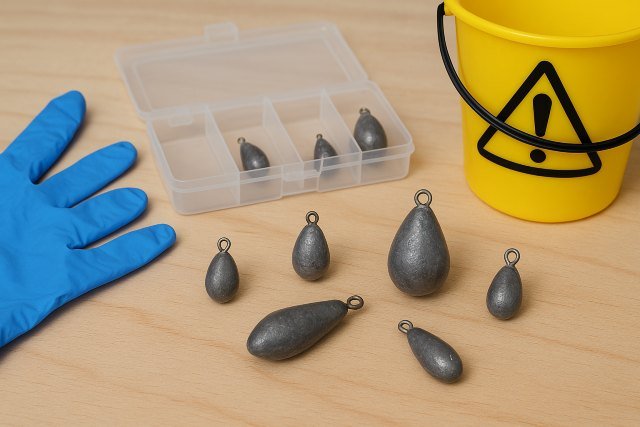
For decades, lead weights (sinkers, jigs, split shot) have been the go-to choice for anglers because they’re dense, cheap, and easy to cast. But there’s a big catch: lead is a toxic heavy metal that can harm both human health and the environment if it’s handled, stored, or disposed of carelessly.
This guide walks you through everything you need to know about lead weights in fishing — from safe handling tips and smart storage ideas to responsible disposal and non-toxic alternatives. The goal is simple: help you keep fish on the line while keeping lead out of your body, your tackle bag, and your favorite lake.
Why Lead Weights Are a Problem (But Still Common)
Lead has been popular in fishing tackle because it’s:
- Very dense (sinks fast in a small size)
- Easy to mold into different shapes
- Inexpensive compared to many alternatives
However, lead is also:
- Neurotoxic – it can damage the brain and nervous system, especially in children and pregnant women
- Persistent in the environment – it doesn’t break down and can accumulate in soils and sediments
- Dangerous to wildlife – birds and other animals may swallow small lead weights, mistaking them for food or grit, leading to poisoning and death
Because of this, some countries and several U.S. states have restricted or banned certain sizes of lead fishing tackle in sensitive waters, especially where loons, swans, and other waterbirds are at risk.
You don’t have to throw away every piece of gear you own — but you should treat lead weights with respect and consider switching to safer materials over time.
Safe Handling: How to Work With Lead Weights the Right Way
Basic Safety Rules for Handling Lead Weights
Any time you’re sorting, rigging, or cleaning up lead weights:
- Never put lead weights in your mouth. Don’t hold sinkers between your teeth or bite split shot to crimp them — use pliers instead.
- Wash your hands after handling. Especially before eating, drinking, smoking, or touching your face.
- Avoid eating or drinking while rigging tackle. It’s easy to transfer dust from your fingers to food.
- Keep lead away from children. Kids are more vulnerable to lead exposure and more likely to put small objects in their mouths.
These simple habits dramatically reduce your risk of ingesting or inhaling small amounts of lead from your gear.
Extra Precautions for Making or Modifying Lead Weights
Some anglers cast their own lead weights or modify jigs and sinkers. This can significantly increase exposure.
If you must melt or cast lead (ideally, you avoid this at home):
- Work outdoors or in very well-ventilated areas. Lead fumes are hazardous.
- Wear proper PPE:
- Respirator rated for metal fumes
- Safety glasses
- Heat-resistant gloves
- Do not use cookware or tools that will ever touch food. Keep all lead equipment separate.
- Never do this around children, pets, or pregnant people.
Honestly, for most anglers, it’s safer and easier to buy factory-made weights instead of melting lead yourself.
Protecting Your Family From Lead Fishing Gear
If you store your tackle at home:
- Keep lead tackle out of reach and sight of children.
- Don’t let kids play with sinkers or jigs.
- If kids fish with you, give them non-lead weights so they can learn safely.
Consider a “no bare-lead on the kitchen table” rule — rig tackle in the garage, shed, or outside when possible.
Storing Lead Weights Safely
Proper storage keeps lead weights where they belong: in your tackle system, not scattered around the house, boat, or shoreline.
Best Practices for Storing Lead Weights
- Use sealed containers.
- Small plastic boxes with latching lids
- Screw-top jars
- Compartment organizers inside your tackle box
- Label containers clearly:
- “Lead sinkers” / “Lead jig heads – keep away from children”
- Keep them dry.
Moisture can corrode weights and create dust or residue you can touch. - Separate from snacks and drinks.
Don’t store lead tackle in the same compartment as food, gum, or tobacco. - Clean your tackle box occasionally.
Wipe down dusty sections with a damp disposable cloth and wash your hands afterwards.
Boat and Vehicle Storage
When lead weights live in your boat or truck:
- Keep them inside closed containers, not loose in cupholders or trays.
- Avoid leaving weights where they can roll around and get lost in carpets or bilges.
- If a weight is dropped in the boat, pick it up right away so it doesn’t end up in the water or where kids step.
Proper Disposal: How to Get Rid of Lead Weights Responsibly
Throwing old or damaged lead weights in the trash — or worse, into the water — is one of the fastest ways to create a long-term contamination problem. Wildlife can ingest lost or discarded weights, and lead can slowly leach into sediments and water.
Why You Shouldn’t Toss Them in the Lake or Regular Trash
- Birds like loons, swans, ducks, and geese often swallow small sinkers while feeding, leading to fatal poisoning.
- Fish, invertebrates, and other aquatic species can be exposed through sediment and water.
- While U.S. household waste is generally not regulated as hazardous waste, agencies still discourage throwing lead items in the regular trash when better options exist.
Best Options for Disposing of Lead Weights
Use this quick guide to dispose of your lead weights safely:
| Disposal Option | What It Is | How to Use It |
|---|---|---|
| Household Hazardous Waste (HHW) Facility | Local gov or waste authority site | Bag or box your lead weights and drop them off during HHW collection days. |
| Metal Recycling / Scrap Yard | Facilities that take lead and other metals | Call ahead to ask if they accept lead fishing tackle; deliver in a clearly labeled container. |
| Tackle Shop Take-Back Programs | Some stores or clubs collect old lead | Ask your local shop or angling club about lead tackle recycling or trade-in programs. |
| Community Clean-ups | Lake/river clean-up events | If an event accepts lead tackle, bring your old weights instead of tossing them. |
If none of these options exist where you live, contact your local environmental or waste management agency and ask how they recommend disposing of small amounts of lead from fishing.
Lead Weights and the Law: Are They Still Legal?
In many places, lead weights are still legal—but regulations are changing.
- Some U.S. states and Canadian provinces ban or restrict small lead sinkers and jigs (often under 1 oz or a specific size), particularly in waters important for loons and waterfowl.
- The U.S. EPA has reviewed petitions to restrict lead fishing tackle nationally due to its impacts on wildlife.
- Several European countries and the U.K. have long-standing restrictions on certain lead fishing products.
Always check local regulations before fishing — especially when traveling. A simple rule: if a waterbody is known for loons or swans, there’s a good chance non-lead tackle is strongly recommended or legally required.
Safer Alternatives to Lead Weights
If you’re ready to reduce or eliminate lead from your tackle, you’ve got plenty of options. Modern lead-free weights perform surprisingly well and are increasingly easy to find.
Common Non-Lead Materials
- Tungsten – Very dense, smaller profile than lead, excellent sensitivity; more expensive.
- Bismuth – Non-toxic, density close to lead; typically mid-priced.
- Tin – Affordable, softer and less dense than lead; works well for smaller sinkers.
- Steel / Iron – Durable and inexpensive, but bulkier for the same weight.
- Brass / Bronze – Good for bullet weights and some jigs; produces extra sound against glass beads.
- Ceramic / Glass / Stone – Completely non-metallic; great for ultra-eco situations, though larger in size.
Pros and Cons of Switching Away From Lead
Advantages:
- Safer for kids, pets, and you
- Protects loons, swans, ducks, and other wildlife
- May comply with local regulations
- Often more sensitive (tungsten) for finesse techniques
Drawbacks:
- Higher upfront cost for some materials
- Slight learning curve due to different sink rates and sizes
- Availability may be limited at smaller tackle shops
A good transition strategy is to:
- Use up your existing lead weights responsibly (without losing them in the water).
- Gradually replace them with non-lead alternatives as they wear out or get lost.
- Commit to using non-lead for locations with sensitive wildlife or legal restrictions.
Quick Safety Checklist for Lead Weights
Use this as a pre-trip checklist:
- Lead weights stored in labeled, closed containers
- No loose lead in pockets, cup holders, or boat carpet
- Pliers on hand — no biting split shot
- Hand wipes or soap available for post-handling clean-up
- Kids using non-lead tackle where possible
- A plan for disposing of old or damaged weights at HHW or recycling
FAQs About Lead Weights in Fishing
1. Are lead weights in fishing completely banned?
No. Lead weights are still widely sold and used, but some regions restrict certain sizes or types, especially small sinkers and jigs in waterfowl habitats. Always check your local regulations.
2. Can touching lead weights make me sick?
Brief contact isn’t usually a major risk for adults, but frequent handling without washing can contribute to exposure—especially if you eat, drink, smoke, or chew while rigging tackle. Children and pregnant women are more vulnerable and should avoid contact with lead tackle.
3. How do I know if my sinkers are lead?
Lead weights are usually:
- Dull gray and easily scratched with a fingernail
- Heavier than they look for their size
- Slightly soft and bendable
If in doubt, ask the manufacturer, retailer, or switch to clearly labeled non-lead products.
4. Can I just throw old lead weights in the trash?
While small amounts of household lead waste may not be strictly regulated as hazardous, many agencies recommend taking lead tackle to hazardous waste or recycling facilities instead of tossing it in the regular trash. It’s a better choice for long-term environmental protection.
5. Are non-lead weights as good as lead?
Yes — in many cases they’re better. Tungsten, for example, is denser than lead and gives you more sensitivity in a smaller profile, which is great for finesse fishing. The main downside is cost, but prices have been slowly improving as demand grows.
Conclusion
Lead weights have helped anglers catch fish for generations, but we now understand the real cost: potential health risks for people and serious harm to wildlife and aquatic ecosystems. The good news is that with a few simple changes — washing your hands, storing weights safely, disposing of them properly, and gradually switching to non-lead alternatives — you can keep fishing the way you love while drastically reducing your impact.
Treat your lead weights like the hazardous material they are, not just another piece of tackle. Your future self, your family, and your favorite lake will all be better off for it.