
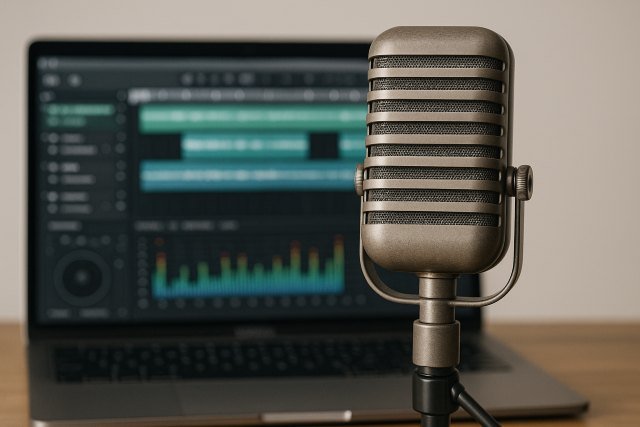
If you’re looking for an in-depth and practical microphone Coles review, especially focusing on the brand’s iconic ribbon microphones like the Coles 4038, you’re in the right place. Coles microphones have become legendary in professional audio circles for their warm tone, broadcast-grade clarity, and timeless design. In this guide, we’ll break down their sound quality, key features, performance in real-world environments, and whether they’re worth your investment.
What Makes Coles Microphones Stand Out?
Coles Electroacoustics, best known for the Coles 4038 ribbon microphone, has been producing broadcast-quality audio equipment since the 1950s. These mics are prized for their:
- Natural low-end response
- Smooth high-frequency roll-off
- Superior figure-8 polar pattern
- Durability and long-term reliability
The 4038, originally created for the BBC, remains a staple in many studios.
Sound Quality of the Microphone Coles Series
Warm, Natural Tone (Ideal for Instruments & Vocals)
One of the defining characteristics of any microphone Coles model — especially the 4038 — is its unmistakably warm character. Ribbon microphones naturally smooth out harsh frequencies, but Coles takes this signature to another level.
Expect:
- Deep, rounded lows
- Rich and present midrange
- Naturally attenuated highs
- Zero harshness, even on bright sources
This sound profile makes Coles microphones excellent for:
- Drum overheads
- Brass sections
- Room miking
- Guitar amps
- String ensembles
- Vintage-style vocals
Figure-8 Polar Pattern Performance
Coles mics use a true figure-8 pattern that picks up sound from the front and back equally while rejecting sides. Compared with other ribbons, Coles patterns are notably consistent, which enhances stereo recording techniques such as:
- Blumlein
- Mid-Side (M-S)
- AB room microphone setups
Noise Levels & Sensitivity
Ribbon microphones typically require a high-gain, low-noise preamp. The Coles 4038 is no exception. When paired with a quality preamp (like Neve, API, or Grace Design), the mic delivers exceptional clarity and virtually no self-noise.
Features of the Microphone Coles Models
Build Quality
Coles microphones are hand-built in England with broadcast-grade craftsmanship.
Notable features include:
- Thick steel housing
- Long-lasting ribbon element
- Corrosion-resistant components
- Timeless BBC-approved design
Technical Specifications (Coles 4038 Example)
| Feature | Specification |
|---|---|
| Type | Ribbon Microphone |
| Polar Pattern | Figure-8 |
| Frequency Response | 30 Hz – 15 kHz |
| Sensitivity | -65 dB |
| Impedance | 300 Ω |
| Max SPL | 120 dB |
These specifications showcase why the mic excels with loud sources (like drums and horns) without distortion.
Performance Test — How Coles Mics Behave in the Studio
Vocals
Coles mics provide a vintage, smoky vocal tone ideal for jazz, soul, spoken word, and radio-style voiceovers. They are less suited for bright contemporary pop unless paired with EQ and high-end preamps.
Drums
This is where Coles shines. The 4038 is legendary for:
- Overheads
- Stereo room miking
- Toms (if placed correctly)
Engineers praise the Coles for its ability to:
- Capture cymbal detail without harshness
- Round out kick/snare transients
- Add a cohesive, “glued” sound to the drum mix
Guitar Amps
Electric guitars sound full, smooth, and rich. Many engineers blend Coles with a dynamic mic such as an SM57 to combine body with definition.
Horns & Brass
Ribbon mics excel here, and Coles is no exception.
Expect:
- Zero shrillness
- Great body and tone
- Broadcast-level presence
Orchestral & Room Recording
Because of its accurate figure-8 pattern, Coles mics are phenomenal for room ambience.
Pros & Cons of Coles Microphones
Pros
- Exceptional vintage tone
- Handbuilt longevity
- Superb for drums and orchestral room recording
- True figure-8 pattern
- Broadcast-quality performance
Cons
- Requires a high-gain preamp
- Heavy and delicate (not ideal for travel)
- Expensive compared to modern alternatives
- Limited high-frequency sparkle
Microphone Coles vs. Competitors
| Feature | Coles 4038 | Royer R-121 | AEA R84 |
|---|---|---|---|
| Tone | Warm, vintage | Balanced, modern | Smooth, airy |
| Best Use | Drums, brass, rooms | Guitar amps, vocals | Studio versatility |
| Price Range | High | High | Mid-high |
| Build | Very durable | Durable | Durable |
Coles offers the most vintage-sounding tone of the three, ideal for engineers seeking a classic BBC character.
Who Should Buy a Microphone Coles?
A microphone Coles is perfect for:
- Professional studios
- Live broadcast setups
- Engineers who love warm, vintage tones
- Producers recording jazz, classical, soul, blues, or acoustic
- Anyone wanting legendary drum overheads
It is not ideal for:
- Portable setups
- Beginners on small budgets
- Extremely bright pop vocals
FAQs (Featured Snippet Optimized)
Is the Coles 4038 good for vocals?
Yes — especially for warm, vintage vocal styles. For bright modern vocals, you may need additional EQ.
Why are Coles microphones so expensive?
They are hand-built, use premium ribbon components, and follow classic BBC engineering standards.
Do Coles mics require a special preamp?
Yes, a high-gain, low-noise preamp is recommended to get the best sound.
Can I use a Coles mic live?
It’s possible, but not ideal due to the mic’s weight and delicate ribbon construction.
Conclusion: Is the Microphone Coles Worth It?
To wrap up this microphone Coles review, it’s clear that Coles microphones — especially the 4038 — remain some of the best ribbon mics in the professional audio world. Their warm tone, impeccable craftsmanship, and unmatched performance on drums, brass, and room ambience make them a staple for serious engineers and studios. If you want a timeless, classic sound with reliable performance, a Coles microphone is absolutely worth the investment.