
Whether you work in construction, automotive repair, agriculture, or industrial settings, choosing the right overall or coverall can make all the difference. The right garment provides protection, comfort, and durability — ensuring safety and productivity throughout the day.
In this comprehensive overall or coverall buying guide, we’ll cover everything from types and materials to the best brands and expert buying tips — helping you make an informed decision that suits your specific work needs.
What Is an Overall or Coverall?
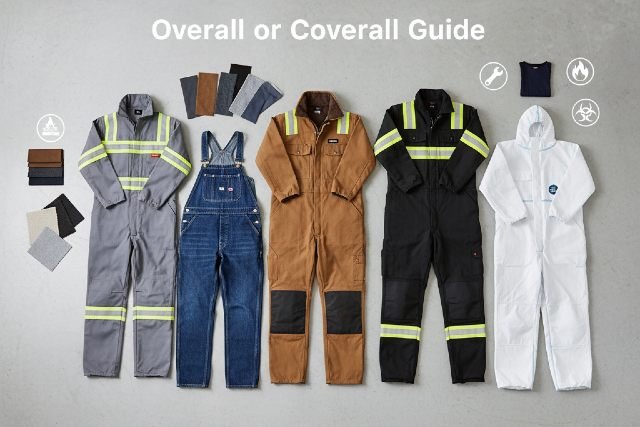
An overall or coverall is a one-piece protective garment designed to shield workers from dirt, spills, and hazardous materials. While “overalls” typically have a bib front and shoulder straps, “coveralls” are full-body suits with sleeves and often a zipper closure.
In short:
- Overalls = Sleeveless workwear (bib-and-brace style).
- Coveralls = Full-body suits covering arms and legs.
Both are essential in industries that require safety, cleanliness, and durability.
Types of Overalls and Coveralls
Different jobs require different protection levels. Below are the most common types:
1. Basic Cotton or Denim Overalls
- Ideal for mechanics, farmers, and craftsmen.
- Lightweight, breathable, and comfortable.
- Example: Classic Carhartt Denim Bib Overall.
2. Flame-Resistant (FR) Coveralls
- Designed for electricians, welders, and oilfield workers.
- Made from Nomex, Proban, or modacrylic fibers.
- Meets NFPA 2112 and ASTM F1506 safety standards.
- Example: Bulwark FR Deluxe Coveralls.
3. Disposable Coveralls
- Used in painting, medical, or cleanroom environments.
- Made of polypropylene or Tyvek.
- Lightweight, single-use, and prevents contamination.
- Example: DuPont Tyvek 400 Coverall.
4. Insulated and Waterproof Overalls
- Best for outdoor and cold-weather jobs.
- Include thermal lining or waterproof coatings.
- Example: Dickies Insulated Bib Overall.
5. High-Visibility (Hi-Vis) Coveralls
- Designed for workers near roadways or construction zones.
- Incorporate reflective tape and bright fluorescent colors.
- Certified under ANSI/ISEA 107 standards.
- Example: Portwest Hi-Vis Poly-Cotton Coverall.
Comparison Table: Types of Overalls and Coveralls
| Type | Ideal For | Material | Key Features | Example Brand |
|---|---|---|---|---|
| Cotton/Denim | General labor | Cotton/Denim | Breathable, durable | Carhartt |
| Flame-Resistant | Welding, oil & gas | Nomex, Proban | Fire protection | Bulwark |
| Disposable | Medical, painting | Tyvek, Polypropylene | Lightweight, disposable | DuPont |
| Insulated/Waterproof | Outdoor, cold | Nylon, Polyester | Thermal lining | Dickies |
| Hi-Vis | Roadwork, construction | Poly-Cotton blend | Reflective, ANSI certified | Portwest |
Materials: What Your Overall or Coverall Is Made Of Matters
When selecting an overall or coverall, the material determines durability, breathability, and protection level.
Common Materials:
- Cotton: Soft, breathable, and comfortable; ideal for everyday use.
- Polyester: Durable, wrinkle-resistant, and moisture-wicking.
- Nylon: Water-resistant and tough against abrasions.
- Denim: Heavy-duty and long-lasting for rough work environments.
- Nomex/FR Blends: Provide flame resistance without sacrificing comfort.
Pro Tip: For hazardous jobs, always check the safety rating or certification label on your garment.
How to Choose the Right Overall or Coverall
Before you buy, consider these key factors:
1. Job Type
Different industries require specific protection:
- Electricians → Flame-resistant coveralls
- Painters → Disposable Tyvek suits
- Farmers → Cotton or denim overalls
2. Fit and Comfort
Choose a relaxed fit for flexibility and layering. Adjustable straps and elastic waistbands improve comfort during long work hours.
3. Durability and Washability
Look for reinforced seams, heavy-duty zippers, and double stitching. Some brands also offer industrial laundry-safe options.
4. Climate Conditions
- Cold climates: Opt for insulated or quilt-lined overalls.
- Hot environments: Go for lightweight cotton or breathable blends.
- Rainy areas: Choose waterproof or water-repellent materials.
5. Safety Certifications
Ensure compliance with:
- NFPA 70E (Electrical safety)
- EN ISO 11612 (Heat and flame protection)
- ANSI/ISEA 107 (High visibility)
Best Overall and Coverall Brands in 2025
Here are the most trusted brands based on durability, comfort, and safety:
1. Carhartt
- Known for rugged workwear.
- Popular for cotton and denim bib overalls.
- Example: Carhartt Duck Bib Overall.
2. Dickies
- Offers a wide range of insulated and waterproof options.
- Trusted for affordable durability.
- Example: Dickies Deluxe Insulated Coverall.
3. Bulwark
- Industry leader in flame-resistant workwear.
- Complies with multiple safety standards.
- Example: Bulwark FR Deluxe Coverall.
4. Red Kap
- Ideal for industrial and automotive sectors.
- Focus on functionality and comfort.
- Example: Red Kap Zip-Front Cotton Coverall.
5. DuPont
- Renowned for Tyvek disposable coveralls.
- Used widely in cleanrooms, painting, and healthcare.
- Example: DuPont Tyvek 400 Coverall.
ghnMaintenance Tips for Longevity
- Wash with mild detergent; avoid bleach on FR materials.
- Air dry when possible to preserve fiber integrity.
- Check for wear and tear before each use.
- Store in a clean, dry place away from sunlight.
Regular maintenance ensures your coverall or overall maintains its protective qualities over time.
FAQs: Everything You Need to Know About Overalls and Coveralls
Q1: What’s the difference between an overall and a coverall?
A: Overalls have a bib front and no sleeves, while coveralls provide full-body coverage, including arms and legs.
Q2: Are flame-resistant coveralls hot to wear?
A: Modern FR fabrics are designed to be breathable while offering maximum protection.
Q3: Can I wash FR coveralls at home?
A: Yes, but always follow the manufacturer’s washing instructions and avoid fabric softeners or bleach.
Q4: Which brands offer the best value?
A: Carhartt and Dickies offer excellent price-to-durability ratios.
Conclusion: Invest in Quality for Safety and Comfort
Choosing the right overall or coverall isn’t just about style — it’s about safety, comfort, and long-term value. From flame-resistant options to disposable protective suits, there’s a perfect fit for every profession and environment.
Remember: the best workwear is the one that keeps you safe, comfortable, and productive — day after day.