
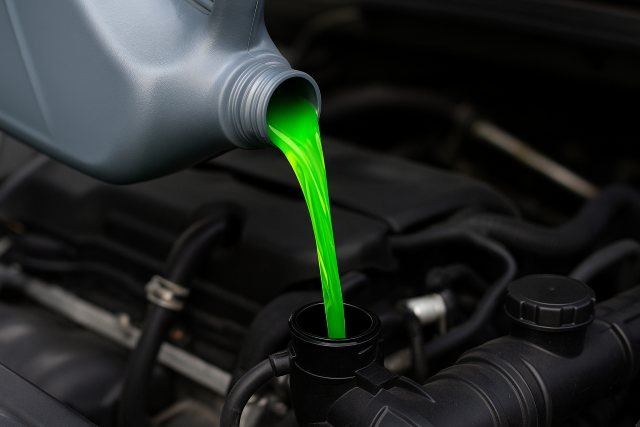
What Is PAO Coolant?
PAO coolant (short for Polyalphaolefin coolant) is a synthetic, high-performance cooling fluid formulated using PAO base oils, which are engineered hydrocarbons known for exceptional thermal stability and oxidation resistance. Unlike conventional glycol-based coolants, PAO coolants maintain consistent performance in extreme temperatures, making them ideal for electric vehicles (EVs), industrial machinery, and high-performance engines.
Key Characteristics of PAO Coolants:
- Synthetic base derived from uniform hydrocarbon molecules
- Wide operating temperature range (-60°C to +180°C)
- Non-conductive, making it safe for electric and hybrid systems
- Environmentally stable and low in volatility
In short, PAO coolant represents a leap forward in cooling technology — providing enhanced protection and efficiency for modern systems.
How PAO Coolant Differs from Conventional Coolants
Most conventional coolants use water mixed with ethylene glycol or propylene glycol, which work adequately for standard automotive applications. However, they often struggle with:
- Corrosion and oxidation over time
- Evaporation at high temperatures
- Poor performance in extreme cold
- Conductivity issues in EV systems
PAO coolants, on the other hand, eliminate these drawbacks by using synthetic base stocks designed for longevity, stability, and non-conductivity.
| Property | Conventional Glycol Coolant | PAO Coolant |
|---|---|---|
| Base Fluid | Ethylene/Propylene Glycol | Polyalphaolefin (PAO) |
| Conductivity | High | Very Low (Non-Conductive) |
| Temperature Range | -30°C to +120°C | -60°C to +180°C |
| Oxidation Resistance | Moderate | Excellent |
| Lifespan | 2–5 years | 10+ years |
| EV Compatibility | Limited | Excellent |
Top Benefits of Using PAO Coolant
1. Superior Thermal Stability
PAO coolant maintains consistent viscosity and heat transfer efficiency across a wide temperature spectrum. This means less thermal degradation and longer fluid life even under continuous high-load conditions.
2. Non-Conductive for EV Safety
Unlike water-based fluids, PAO coolant is dielectric (non-conductive) — a critical property for electric vehicles, power electronics, and battery cooling systems. It prevents short circuits and enhances overall system safety.
3. Extended Service Life
A major benefit of PAO coolant is its long replacement interval. It resists oxidation, sludge formation, and chemical breakdown, reducing maintenance costs and downtime.
4. Corrosion and Deposit Resistance
Because it’s water-free, PAO coolant doesn’t promote corrosion, cavitation, or scaling — common problems in traditional systems. This ensures cleaner components and improved reliability.
5. Environmentally Friendly
With minimal evaporation and no toxic glycols, PAO coolants have a lower environmental impact and are easier to dispose of or recycle responsibly.
Applications of PAO Coolant
PAO coolants are increasingly used across industries where reliability and thermal performance are non-negotiable:
- Electric and Hybrid Vehicles (EV/HV) — battery and powertrain cooling
- Data Centers — immersion cooling for high-density servers
- Aerospace Systems — hydraulic and cooling applications under extreme conditions
- Industrial Equipment — compressors, turbines, and process cooling systems
- Motorsports — high-temperature engine cooling
Why PAO Coolant Outperforms Conventional Coolants
Enhanced Efficiency
PAO coolant’s consistent viscosity and superior heat transfer enable faster temperature regulation and lower operating stress on critical components.
Longevity & Cost Savings
Although the upfront cost of PAO coolant is higher, its longer lifespan (up to 10 years or 20,000 hours) reduces total ownership costs through fewer changes and less maintenance.
Reliability in Extreme Conditions
PAO coolants are engineered for performance extremes, maintaining fluidity in Arctic temperatures and stability in high-heat industrial settings. This makes them a preferred choice for aerospace and EV cooling systems.
FAQs About PAO Coolant
1. Is PAO coolant safe for all types of engines?
PAO coolant is compatible with most sealed, synthetic cooling systems. However, it’s best to consult the manufacturer before using it in older engines designed for water-based coolants.
2. Can I mix PAO coolant with regular coolant?
No — mixing PAO coolant with conventional glycol-based coolants can reduce performance and compromise non-conductivity. Always flush the system before switching.
3. How long does PAO coolant last?
Depending on usage, PAO coolant can last up to 10 years or more without significant degradation, thanks to its stable synthetic formulation.
4. Is PAO coolant suitable for electric vehicles?
Absolutely. In fact, many EV manufacturers now use PAO-based coolants because of their non-conductive nature and superior heat transfer performance.
Expert Insight: Real-World Use Case
A leading electric vehicle manufacturer reported that switching from a glycol-based coolant to a PAO coolant reduced thermal management issues by 30% and extended the battery lifespan by 20%. Similarly, data center operators using PAO fluids for immersion cooling noted improved system efficiency and a measurable drop in power consumption.
Conclusion: Why Choose PAO Coolant
In a world moving toward higher efficiency and sustainability, PAO coolant stands out as a future-ready solution. Its non-conductive, thermally stable, and long-lasting properties make it ideal for modern vehicles, electronics, and industrial systems. Compared to conventional coolants, it delivers better protection, performance, and peace of mind.