
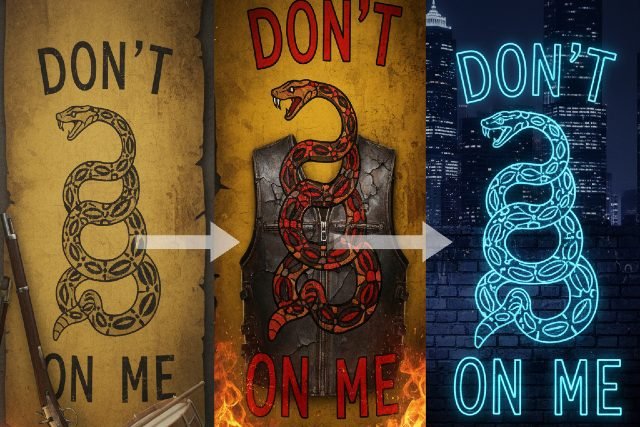
The Power Behind Don’t Tread on Me Art
Few symbols in American history carry as much weight and controversy as the “Don’t Tread on Me” flag. Originating in the Revolutionary War, the Gadsden flag — a coiled rattlesnake poised to strike on a yellow field — represented defiance, freedom, and independence. Over the centuries, this imagery evolved into a vast artistic movement known today as don’t tread on me art, encompassing paintings, digital art, tattoos, and political expression.
In this article, we’ll explore how don’t tread on me art has transformed from a revolutionary emblem to a modern symbol of individuality, resistance, and debate.
The Revolutionary Roots of “Don’t Tread on Me”
The Birth of a Symbol
The phrase “Don’t Tread on Me” originated from the Gadsden Flag, designed by Christopher Gadsden in 1775 during America’s fight for independence. The rattlesnake, a creature native to America, symbolized vigilance and readiness to defend liberty.
This visual identity was more than just a rallying cry — it was early American art in motion. The bold yellow background, the striking snake, and the succinct warning created a design that communicated power and defiance without words.
Revolutionary Artists and Iconography
Artists of the 18th century used the Gadsden flag in woodcut prints, naval flags, and pamphlet engravings to inspire unity. These early renderings laid the foundation for what would later evolve into don’t tread on me artwork that blends patriotism with protest.
From Symbol to Statement: Don’t Tread on Me Art in Modern America
Political Expression Through Art
Today, don’t tread on me art is often seen on bumper stickers, murals, and digital designs representing freedom of speech and anti-authoritarian sentiment. The flag resurfaced prominently in the Tea Party Movement of the 2000s and continues to appear at political rallies and online communities advocating personal liberty.
Artistic Reinterpretations
Modern artists have reimagined this symbol in various styles:
- Pop art versions that mix bright colors and irony
- Street murals symbolizing rebellion against social control
- Tattoo art representing personal sovereignty and courage
- Digital reinterpretations exploring freedom in the digital age
Each artistic wave has redefined the Gadsden symbol, shifting its meaning across time and audience.
Visual Evolution: Comparing Traditional vs. Modern Don’t Tread on Me Art
| Era | Style | Medium | Symbolic Focus |
|---|---|---|---|
| 1770s | Colonial engraving | Woodcut, textile | National independence |
| 1800s–1900s | Political prints | Posters, sketches | Civic pride |
| 1960s–1980s | Counterculture art | Mixed media | Personal freedom |
| 2000s–Present | Digital art & tattoos | Street art, NFTs | Political identity & individuality |
The Digital Renaissance: Don’t Tread on Me in Online Art
With the rise of digital design and NFTs, don’t tread on me art has found a new life in online spaces. Artists use 3D modeling, augmented reality, and blockchain technology to reinterpret this centuries-old symbol for a digital audience.
Online art marketplaces like OpenSea and DeviantArt feature thousands of modern takes — from realistic snake renders to conceptual graphics exploring the tension between freedom and surveillance.
The Controversy: Symbol of Freedom or Division?
While many see the “Don’t Tread on Me” symbol as an emblem of freedom, others associate it with extremist ideologies or political polarization. This duality makes don’t tread on me art a mirror of society’s ongoing debate over liberty and authority.
Artists often navigate this tension by creating reinterpretations that question its meaning — using color, satire, or contrast to reclaim the symbol as one of unity and expression rather than division.
Example:
In 2020, artist Sarah Collins created a series titled “Tread Lightly,” blending the snake motif with floral imagery to symbolize peaceful resistance rather than aggression.
Don’t Tread on Me Art in Popular Culture
The symbol continues to appear across music, fashion, and entertainment:
- Clothing brands feature stylized snakes as fashion statements for self-reliance.
- Musicians and album covers use the iconography to express rebellion.
- Video games and films include variations of the Gadsden flag as symbols of anti-establishment themes.
This integration shows that don’t tread on me art has transcended its political origins, evolving into a cultural shorthand for strength and independence.
FAQ: Common Questions About Don’t Tread on Me Art
Q1. What does “Don’t Tread on Me” art represent today?
It represents independence, personal freedom, and resistance to oppression. However, interpretations vary depending on context and political views.
Q2. Who created the original “Don’t Tread on Me” design?
Christopher Gadsden, a South Carolina politician and soldier, designed the flag in 1775.
Q3. Why is the symbol controversial?
Over time, groups across the political spectrum have adopted the flag, leading to debates about its true meaning — patriotic or political.
Q4. How is modern “Don’t Tread on Me” art different from the original?
Contemporary versions use new media (digital, tattoo, street art) and reinterpret the symbol through personal or societal lenses.
Conclusion: The Lasting Legacy of Don’t Tread on Me Art
From battlefields to Instagram feeds, don’t tread on me art continues to evolve — reminding us that symbols, like people, change with time. What began as a rallying cry for independence has become a living, breathing art form — one that challenges authority, celebrates freedom, and sparks dialogue across generations.
Whether displayed on a wall, worn on a shirt, or minted as an NFT, this enduring icon proves that art’s power lies not just in its creation but in its capacity to inspire reflection, rebellion, and resilience.