
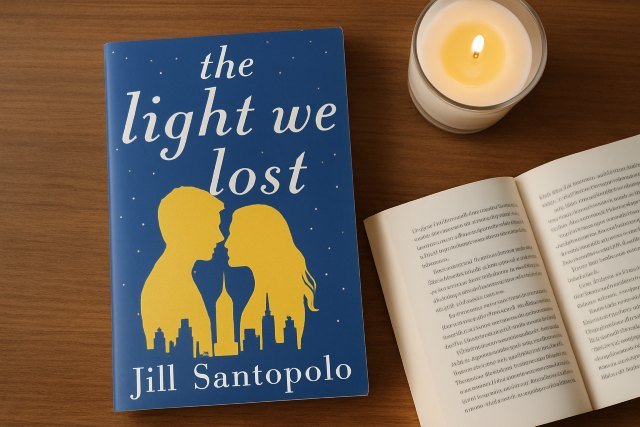
The Light We Lost is a novel that lingers long after the last page. Readers often search for a deeper breakdown of its themes, narrative design, and heartbreaking finale. This guide provides The Light We Lost book explained in detail — including its ending, overarching meaning, and its powerful use of symbolism. Whether you’ve just finished reading or want to understand the emotional layers before you begin, this in-depth analysis covers everything you need.
What Is The Light We Lost About?
Jill Santopolo’s bestselling novel follows Lucy and Gabe, two people whose lives intertwine after the September 11 attacks in New York City. Their relationship evolves through passion, distance, diverging ambitions, and emotional complexity.
The book is framed as a reflective narrative: Lucy tells the story as if speaking directly to Gabe, recounting love, choices, and regrets. This narrative structure drives the emotional intensity and sets the stage for the novel’s dramatic end.
The Light We Lost Book Ending Explained
The Final Revelation
In the ending, Lucy discovers that Gabe died in an explosion while working as a photojournalist in the Middle East. This revelation hits the reader — and Lucy — with the full weight of unspoken feelings, unfinished conversations, and a decade of emotional complexity.
Why the Ending Feels So Impactful
- It’s abrupt and emotionally raw.
- It circles back to the light imagery that defines their relationship.
- It underscores the theme of timing vs. destiny.
The final phone call Lucy makes — expecting to hear from Gabe — turns into the moment she learns of his death. The emotional shock reinforces the novel’s message: some relationships shape your entire life, even if they don’t last forever.
The Meaning Behind The Light We Lost
1. Love vs. Life Path
A central question the novel asks is:
Can you love someone deeply but still choose a different life?
Lucy loves Gabe passionately, but she chooses stability with Darren. The novel suggests that love alone doesn’t always dictate the best path forward.
2. Timing Is Everything
Lucy and Gabe’s lives cross and diverge repeatedly. Their story illustrates how timing — not just love — shapes relationships.
3. The Cost of Passion and Purpose
Gabe’s pursuit of meaning and purpose as a journalist ultimately leads to his death. Lucy’s more grounded choices give her stability, but create lingering emotional conflict.
The message:
Great passion can come with great risk, and great stability with emotional sacrifice.
Symbolism in The Light We Lost
1. Light
Light appears as a recurring motif representing:
- Inspiration
- New beginnings
- Connection
- The spark between Lucy and Gabe
Gabe — whose name means “God is my strength” — often captures light through photography, symbolizing his desire to freeze life’s fleeting beauty.
2. Fire & Burning
Fire symbolizes passion, danger, and transformation.
Their relationship begins on a day marked by literal fire (9/11) and ends with Gabe’s death in a region consumed by conflict. The cyclical symbolism reflects both destruction and rebirth.
3. Photography
Photos capture moments that can’t be held onto physically — mirroring Lucy and Gabe’s relationship. Their strongest memories live in the past, in snapshots shaped by emotion and loss.
4. Choice
Lucy’s constant reference to choices symbolizes the novel’s central tension:
Is love a feeling or a decision?
Character Analysis
Lucy
Lucy represents emotional growth — and emotional conflict. Her journey explores the tension between desire and responsibility. Although she marries Darren, she continues writing to Gabe (and later about Gabe), implying she never fully moved on.
Gabe
Gabe embodies passion, risk, and restlessness. He chases meaning across the world, but sacrifices emotional stability. His symbolic connection to light suggests he is both illuminating and fleeting.
Darren
Darren is security, stability, and consistency. While sometimes overshadowed by Gabe’s intensity, his character challenges the idea that great love must be dramatic to be meaningful.
Major Themes in The Light We Lost
1. Fate vs. Free Will
Is destiny drawing Lucy and Gabe together, or are they victims of circumstance?
The novel plays with both ideas.
2. Memory and Nostalgia
Told from Lucy’s retrospective voice, the story emphasizes how memory can romanticize or distort the past.
3. Sacrifice
Both Lucy and Gabe sacrifice something essential:
- Lucy sacrifices passion for stability.
- Gabe sacrifices stability for purpose.
4. Trauma and Its Ripple Effects
Their meeting on 9/11 shapes their worldview and ignites a connection born in trauma — a connection that stays powerful throughout the novel.
FAQ: The Light We Lost Book Explained
Is The Light We Lost based on a true story?
No, it’s fiction, but Jill Santopolo has said the emotional experiences were inspired by real-life relationships and turning points.
Why didn’t Lucy choose Gabe?
Because his lifestyle demanded unpredictability, danger, and emotional volatility. Lucy wanted stability for herself and her children — something Gabe couldn’t guarantee.
What does Gabe’s death symbolize?
His death symbolizes the ultimate cost of passion and purpose. It also forces Lucy to confront the emotional unresolvedness of their relationship.
Is the ending meant to be tragic or hopeful?
Both. It’s tragic in its loss, but hopeful in its suggestion that love shapes us even when — and especially when — it can’t last.
Key Quotes to Understand the Book’s Meaning
Here are several themes reflected through well-known lines from the novel (paraphrased for copyright reasons):
- The idea that some relationships leave a permanent mark.
- The belief that timing shapes fate.
- The struggle between choosing love or choosing stability.
These quotes highlight how the novel speaks to readers experiencing emotional crossroads.
The Light We Lost Book Explained: Final Conclusion
The Light We Lost leaves readers asking difficult questions about love, heartbreak, destiny, and life choices. Through symbolism, emotional storytelling, and a powerful ending, the novel shows how certain people change us forever — even when they don’t stay in our lives.
By exploring the meaning, themes, and symbolism of The Light We Lost book explained in this guide, readers gain a fuller understanding of Lucy and Gabe’s unforgettable connection and the profound light — and loss — they shared.