
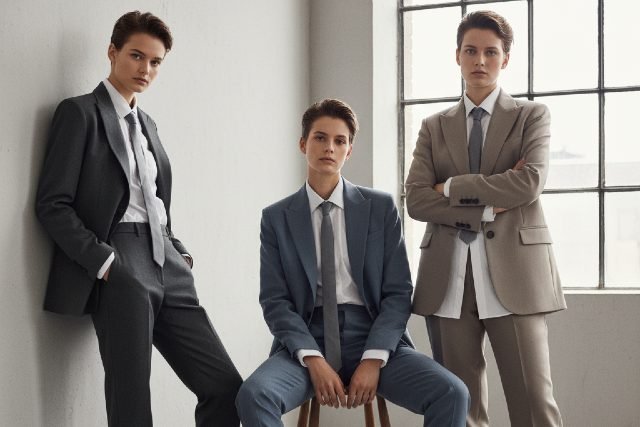
The term boyish female is emerging as a defining aesthetic for women in 2025, blending androgynous tailoring, relaxed menswear references and feminine sensibilities into a fresh style narrative. From oversized blazers and boxy trousers to minimalist silhouettes and gender-neutral layering, the boyish female look signals a shift in how we approach womenswear identity. In this article, we’ll explore what the boyish female style means, why it’s rising now, how to adopt it authentically — and why it matters for both fashion brands and individual wardrobes.
What Is the Boyish Female Look?
Definition & key characteristics
- The boyish female look refers to women’s styling that draws significantly from menswear or loosely-gendered tailoring — think boyfriend blazers, wide-leg trousers, minimalist menswear details — all adapted for female bodies.
- Key features of the look include:
- Oversized‐or relaxed‐fit jackets and shirts
- Straight or wide trousers rather than tight or highly contoured cuts
- Neutral colour palettes (charcoal, navy, khaki, black) often with accent tones
- Clean lines and minimal ornamentation (less ruffles, less overtly feminine detailing)
- Styling that may mix masculine pieces with subtle feminine cues (e.g., silk blouse under a boxy blazer)
- The look differs from pure “masculine” or tomboy style: it retains a female identity but explores the boundaries of gendered dress. It merges strength with softness.
H3: How this differs from adjacent trends
| Trend | Focus | Differences to Boyish Female |
|---|---|---|
| Tomboy / tomboy-core | Casual menswear inspired pieces, sportwear mix | Boyish female is more tailored, less sporty |
| Androgynous fashion | Gender‐neutral silhouettes for any gender | Boyish female remains women-identified but borrows masculine cues |
| Power suit revival | Feminine suits with sharp tailoring and waist definition | Boyish female often relaxes the waist, uses boxier cuts, de-emphasises tailoring refinement |
Why the Boyish Female Look Is Rising in 2025
Cultural drivers & fashion context
- Gender fluidity and evolving identity norms: As society becomes more open to non-binary and fluid gender expressions, womenswear has responded with styles that defy strict “feminine” categorizations.
- Comfort, utility & tailoring revival: Post-pandemic fashion has seen a shift away from hyper-feminine dresses toward functional, versatile pieces. Boxy tailoring and menswear cues offer both comfort and structure.
- Sustainability & reuse of menswear cuts: Fashion-forward women are borrowing from menswear or re-using masculine pieces, aligning with sustainability and wardrobe-efficiency trends.
- Runway and street-style feedback loop: Designers are embracing oversized male silhouettes on women. Street style picks this up, Instagram amplifies it — leading to broader uptake.
- Empowerment through clothing: The boyish female look conveys strength, agency and independence — qualities valued by many consumers today.
Supporting data & trend signals
- According to fashion-tech research, trend-aware recommendation systems (such as those described in the DeepFashion dataset study) show increasing category relevance for gender-neutral and menswear-derived women’s garments.
- Álso, Wikipedia’s article on “boyfriend (fashion)” traces the history of women adopting men’s-inspired garments, confirming the long-standing underpinning of this direction.
These data points support the notion that womenswear is evolving toward more loosened silhouettes and menswear inspiration.
How to Build Your Own Boyish Female Wardrobe
Styling tips & wardrobe toolkit
Here’s a practical breakdown of how to adopt the boyish female aesthetic in your wardrobe:
1. Key pieces to start with
- Oversized (but structured) blazer in navy or charcoal
- Straight-leg or wide-leg trousers (tailored or trouser-style)
- Crisp white button-up shirt with minimal detailing
- Minimalist t-shirt in neutral shades (ivory, sand, olive)
- Loafer or derby-style shoes with a women-adapted sole
- Simple accessories: leather belt, structured tote, minimal jewellery
2. How to style them
- Pair with a fitted top to balance looseness (e.g., wide trousers + slim sweater)
- Mix textures: soft silk blouse under a structured blazer adds femininity
- Colour-block neutrals: one dominant neutral piece + one accent piece
- Play with proportion: oversized top + cropped trousers or vice versa
- Incorporate subtle feminine cues: earring, silk scarf, or colour accent
3. Do’s and Don’ts
| Do | Don’t |
|---|---|
| Do tailor oversized pieces so they suit you (avoid drowning in fabric) | Don’t wear exclusively boxy pieces without any feminine anchor — may look shapeless |
| Do include a defined “signature” piece (e.g., blazer) | Don’t over-accessorise with typical feminine frills (bows, ruffles) that conflict with the look |
| Do play around with colour, keep most palette neutral | Don’t stick only to black; add tonal variety for depth |
| Do focus on fit and proportion | Don’t equate “boyish” with “baggy everywhere” — structure still matters |
Real-World Examples & Case Studies
Brands & influencers championing the boyish female look
- Emerging brand MisMister (Brooklyn founded) describes a collection as “women’s wear with a boyish charm.” Teen Vogue“My tag line is ‘whimsical, yet wearable’ — women’s wear with a boyish charm.” – Paige Tann Teen Vogue
- Major runways are featuring womenswear with menswear silhouettes — oversized coats, suit sets terminated less at the waist, and minimal detailing.
- Street-style stars are stepping away from ultra-feminine ‘girl’ looks and adopting tailored menswear-inspired outfits with assertion.
Case Study: From Girl-Next-Door to Lead Character
Scenario: Emma, age 30, marketing exec, wants to refresh her wardrobe for 2025. She favours the “girl” look (floral dresses, pastel tones) but feels it’s no longer aligned with her professional confidence.
Action Plan:
- She keeps her core wardrobe basics (white shirt, dark jeans)
- Buys an oversized navy blazer + wide-leg charcoal trousers
- Chooses a crisp white shirt and a subtle silver necklace (feminine cue)
- Uses suede loafers instead of heels for everyday wear
Result After 2 Months: Emma reports that colleagues note a sharper, more authoritative presence. She feels less “trying too hard feminine” and more comfortably herself. Her new look supports her confidence rather than overshadowing it.
Common Questions (FAQ)
Quick answers for featured snippet potential
Q1. What does “boyish female” mean in fashion?
A1. It refers to a womenswear aesthetic inspired by menswear tailoring, relaxed silhouettes and minimalist styling — adapted for women but borrowing masculine cues for strength and identity.
Q2. Is it the same as androgynous fashion?
A2. Not exactly. Androgynous fashion tends to blur gender-lines entirely. The boyish female look remains women-identified but incorporates menswear elements for styling rather than full gender neutral.
Q3. Will it work for all body types?
A3. Yes — with tailoring and proportion in mind. The key is fit, structure and balance. Oversize doesn’t mean unstructured; tailoring still matters.
Q4. How is it different in 2025 compared to previous years?
A4. For 2025, the trend is more pronounced: muted palette, minimalism, tailored menswear reference, and wardrobe pieces built to last rather than purely fast-fashion items. The cultural context of gender fluidity and utility fashion supports it.
Q5. Can someone on a budget pull off the boyish female look?
A5. Absolutely. Focus on one investment staple (e.g., good blazer) and pair it with affordable basics. Brands such as H&M, Uniqlo often carry relaxed tailoring versions.
Why This Trend Matters for Brands & Stylists
Strategic value and commercial implications
- Brands that adopt the boyish female look can appeal to women seeking empowerment through dress — not just trend-chasing but identity support.
- Stylists can use this aesthetic to create wardrobes that transcend seasons: muted palette and tailored cuts have longevity.
- It aligns with sustainable fashion goals: investing in versatile staples, less seasonal fuss, more timeless appeal.
- Marketing narratives can focus on empowerment, utility and modern femininity rather than only romantic or hyper-feminine cues.
Potential Risks & How to Avoid Them
Things to watch out for
- Risk of looking too masculine or detached: Without intentional styling, you might lose feminine anchors and end up shapeless.
- Over-sizing without fit: Baggy clothes without structure can feel sloppy rather than stylish.
- Ignoring colour or warmth: A completely neutral palette can feel cold or lifeless — introduce texture or tone.
- Trend burnout: While the boyish look is strong now, fashion is cyclical — build wardrobes for versatility and not just one look.
Tips to mitigate:
- Tailor oversized pieces to your body (adjust shoulders, sleeves)
- Maintain one element that feels you — a collar, colour accent, accessory
- Mix in textured fabrics (wool, tweed, corduroy) for depth
- Keep sizing layering smart — not excessively baggy from head to toe
Conclusion
The boyish female look in 2025 marks more than a fashion aesthetic — it reflects a shift in how women choose to present themselves: with strength, ease and authenticity. By blending menswear tailoring, minimalist styling and adaptable silhouettes, this trend offers a wardrobe that is both empowering and wearable.
Whether you’re building a whole boyish-female wardrobe or simply incorporating elements into your existing style, the key lies in intention, fit and balance. Choose one statement tailored piece, pair it with wardrobe staples, keep your palette intentional, and most importantly, wear it like you are the lead character of your own story.
Ready to experiment? Start with that blazer or that relaxed-tailored trouser and see how your “main character energy” evolves through your closet.