
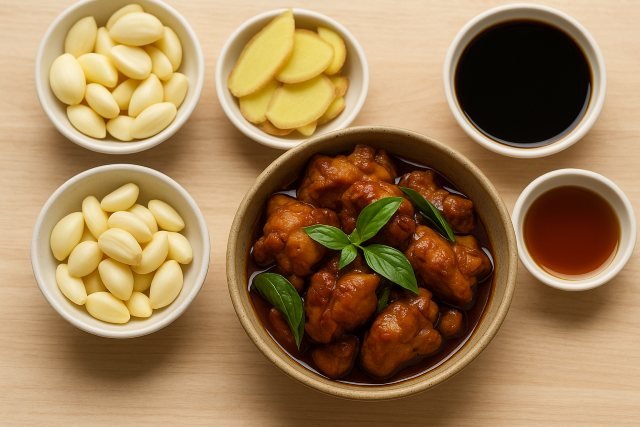
Few dishes capture the heart of Taiwanese cuisine the way three cup chicken does. Known for its glossy caramelized sauce, fragrant basil, and deeply savory flavor profile, this classic recipe has become a global favorite for home cooks and restaurant diners alike. But what exactly makes three cup chicken so irresistible? And why does its simple ingredient list deliver such unforgettable depth?
In this in-depth guide, we break down the secret ingredients, cooking techniques, and flavor science behind three cup chicken, offering expert insights and practical tips you can use at home. Whether you’re a seasoned cook or discovering the dish for the first time, you’ll learn how to elevate this classic to restaurant-quality perfection.
What Is Three Cup Chicken?
Three cup chicken is a traditional Taiwanese dish known as sanbeiji. Its name comes from the classic recipe foundation:
- One cup sesame oil
- One cup soy sauce
- One cup rice wine
While the exact ratios may vary in modern kitchens, the spirit of “three cup” remains: simple ingredients cooked together to create bold, layered flavors. The dish is traditionally simmered until the sauce reduces into a thick glaze that coats each piece of chicken.
Three cup chicken is prized for its intoxicating combination of aromatics, umami, and caramelized sweetness, making it one of Taiwan’s most iconic comfort foods.
The Secret Ingredients That Make Three Cup Chicken Irresistible
Below, we break down the essential ingredients and why they transform a simple stir-fry into a deeply flavorful dish.
1. Sesame Oil: The Foundation of Aroma
Sesame oil is one of the defining flavors of three cup chicken. Unlike neutral oils, sesame oil brings:
- A nutty, roasted aroma
- Rich mouthfeel
- Depth that balances sweet and salty ingredients
Most recipes use toasted sesame oil, which has a darker color and stronger flavor. It’s typically added early in the cooking process to sauté the aromatics — particularly garlic, ginger, and chili peppers — infusing the oil with their fragrance.
Why Sesame Oil Works So Well
Sesame oil contains natural compounds like sesamol and sesamin, which create:
- High heat stability
- A complex roasted flavor
- A lingering finish that complements basil and soy sauce
Its role is foundational, not optional.
2. Soy Sauce: Layers of Saltiness and Umami
Soy sauce delivers the dish’s signature salty-sweet umami richness. Traditional versions use a combination of:
- Light soy sauce (for salt and umami)
- Dark soy sauce (for color and aroma)
Flavor Contribution
Soy sauce provides:
- Amino acids that build savory depth
- Natural sugars that caramelize during reduction
- A rich mahogany glaze that coats the chicken
If you want a more authentic Taiwanese flavor, choose a naturally brewed soy sauce with fewer additives.
3. Shaoxing Wine: The Secret Behind Deep Flavor
Shaoxing wine is one of the most important ingredients in three cup chicken and often the least understood. It adds:
- Slight acidity
- Aromatic complexity
- Sweetness that enhances caramelization
Many chefs say the dish is incomplete without it.
Why It’s Essential
Shaoxing wine helps balance the heavier flavors of sesame oil and soy sauce. As it reduces, it contributes a subtle fruity aroma reminiscent of aged rice wine, which sets authentic three cup chicken apart from simplified Western versions.
High-quality Shaoxing wine contains naturally fermented rice, contributing to a more nuanced flavor.
4. Garlic: The Backbone of Taiwan’s Flavor Profile
Three cup chicken is known for using whole garlic cloves — sometimes 10 or more. Unlike minced garlic, whole cloves:
- Cook slowly in sesame oil
- Become sweet and mellow
- Infuse the dish without overpowering it
The garlic acts as an aromatic base, building fragrance from the very first step.
Pro Tip
Use fresh, firm garlic. Pre-peeled or jarred garlic will not produce the same depth of flavor due to oxidation.
5. Ginger: Heat, Freshness, and Complexity
Ginger is another essential aromatic, sliced thickly to withstand longer cooking times. It contributes:
- Warmth
- Slight spiciness
- Brightness that cuts through the sauce’s richness
Taiwanese chefs emphasize the importance of ginger grown in colder, mountainous areas for stronger flavor.
6. Thai Basil: The Signature Finishing Touch
One of the most defining ingredients of authentic three cup chicken is Thai basil, not sweet basil. This variety has:
- A peppery, anise-like aroma
- A stronger herbal punch
- Heat-resistant leaves that wilt beautifully
The basil is added during the final minute of cooking to preserve its fragrance. Skip or substitute this ingredient, and the dish loses its signature Taiwanese character.
7. Rock Sugar: The Key to That Iconic Glaze
Rock sugar is preferred over granulated sugar because it melts slowly and evenly, contributing to:
- A smooth caramelized glaze
- Balanced sweetness
- Attractive color and shine
Rock sugar also helps thicken the sauce without creating a gritty texture.
8. Chili Peppers: A Traditional but Optional Ingredient
Taiwanese versions often include red chili peppers for mild heat. They’re not meant to make the dish spicy but to add:
- Brightness
- Subtle warmth
- Visual contrast
If you prefer more heat, you can use dried chili peppers or chili oil.
How These Ingredients Work Together
Each ingredient in three cup chicken has a unique function, but their true magic lies in how they interact.
Here’s a simplified breakdown:
| Ingredient | Contribution | Flavor Category |
|---|---|---|
| Sesame oil | Aroma, richness | Fatty, nutty |
| Soy sauce | Salt, umami, color | Savory |
| Shaoxing wine | Acidity, aroma | Fermented, complex |
| Garlic | Sweetness, aroma | Aromatic |
| Ginger | Heat, freshness | Spicy |
| Thai basil | Herbal finish | Fragrant |
| Rock sugar | Caramelization | Sweet |
These layers create what food scientists call “flavor stacking” — a technique where multiple flavor elements combine to create depth, balance, and memorability.
Step-by-Step Cooking Technique
The technique is as important as the ingredients. Here’s the traditional method used in Taiwanese households.
1. Heat sesame oil
Start with generous sesame oil in a clay pot or wok.
2. Sauté aromatics
Add ginger first, followed by garlic and chili. Allow them to slowly release fragrance.
3. Add chicken
Bone-in pieces are preferred for flavor.
4. Add soy sauce, Shaoxing wine, and rock sugar
These form the “three cups.” Adjust ratio based on preference.
5. Simmer until reduced
The sauce should reduce to a thick glaze.
6. Add Thai basil
Stir briefly, then serve immediately.
The result is sticky, glossy, aromatic perfection.
Variations of Three Cup Chicken
Though the original remains most popular, variations include:
Three Cup Tofu
A vegetarian alternative using firm tofu.
Three Cup Mushrooms
Common in Buddhist cuisine.
Three Cup Squid
Popular in coastal regions of Taiwan.
These variations maintain the same sauce but use different proteins or vegetables.
Frequently Asked Questions (FAQ)
What makes three cup chicken sweet?
The sweetness traditionally comes from rock sugar, which melts gradually and caramelizes into the sauce.
Can I make three cup chicken without Shaoxing wine?
You can substitute mirin or cooking sake, but the flavor will be different. Authentic versions rely heavily on Shaoxing wine.
Why is the basil added last?
Thai basil loses its fragrance if cooked too long. Adding it in the final minute preserves its aroma.
What’s the best chicken cut to use?
Bone-in thigh pieces are preferred because they remain tender and release more flavor during simmering.
Can I use regular basil?
It’s not recommended. Only Thai basil provides the traditional flavor.
Conclusion: Why These Secret Ingredients Matter
The magic of three cup chicken lies not in complexity but in balance. Each ingredient — sesame oil, soy sauce, Shaoxing wine, garlic, ginger, rock sugar, and Thai basil — works harmoniously to create a dish that is simultaneously sweet, savory, aromatic, and deeply satisfying. When used with the right technique, these simple components elevate three cup chicken from a home-cooked meal to an unforgettable culinary experience.
Understanding and respecting these ingredients allows you to recreate authentic restaurant-quality three cup chicken in your own kitchen. With the right balance and technique, every bite will capture the essence of Taiwanese cuisine.