
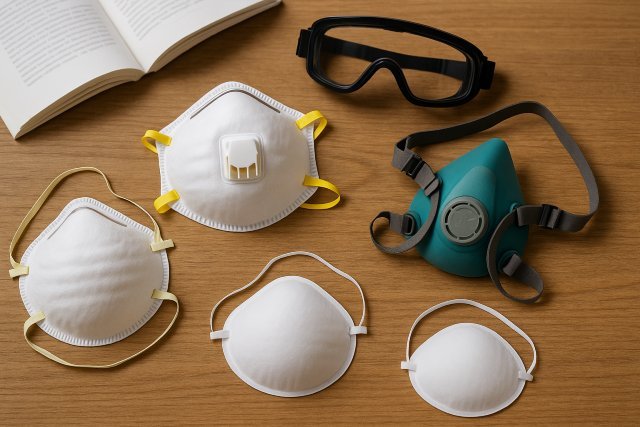
Choosing the right dust mask is essential for protecting your lungs from harmful particles at home, on job sites, or in industrial environments. Whether you’re sanding wood, cleaning an old attic, working in construction, or dealing with chemical fumes, the right dust mask can drastically reduce your exposure to contaminants.
In this comprehensive guide, you’ll learn everything you need to know about selecting the best dust mask for your needs, how each type works, when to use them, and what safety ratings actually mean. This buying guide is designed to help you make an informed decision and improve your overall respiratory safety.
What Is a Dust Mask?
A dust mask is a disposable or reusable filtering device worn over the nose and mouth to protect the wearer from inhaling airborne particles, dust, allergens, and in some cases, fumes or vapors. Dust masks are essential for:
- Home improvement projects
- DIY repairs
- Construction sites
- Workshops
- Industrial settings
- Agriculture
- Cleaning and restoration work
Unlike full respirators, dust masks are lightweight and easy to wear for extended periods. However, they must still meet certified filtration standards to deliver proper protection.
Why a High-Quality Dust Mask Matters
Many people underestimate the amount of harmful airborne material they encounter daily. According to the World Health Organization, prolonged exposure to fine particulate matter (PM2.5) contributes to millions of respiratory illnesses each year.
Using a reliable dust mask offers several benefits:
- Reduces exposure to airborne dust and debris
- Protects against allergens such as pollen, mold, and fibers
- Helps prevent long-term lung damage
- Boosts workplace safety compliance
- Improves comfort and confidence during messy tasks
A poorly chosen or low-quality mask, however, may provide little or no protection, giving users a false sense of security.
Types of Dust Masks: Which One Do You Need?
Not all dust masks are created equal. Understanding each type helps you choose the one that matches your activity, environment, and protection needs.
1. Basic Disposable Dust Mask
These lightweight masks protect against non-toxic dust only, such as:
- Sawdust
- Pollen
- Household dust
- Dirt and debris
They are best for light DIY tasks but do not protect against fine particles, fumes, or hazardous materials.
2. Nuisance Dust Mask
Designed for comfort, these masks help reduce irritation from dusty air but offer minimal real filtration. These are not recommended for construction or industrial use.
3. N-Series Rated Masks (N95, N99, N100)
These are certified by NIOSH (National Institute for Occupational Safety and Health).
| Mask Type | Filtration Level | Best For |
|---|---|---|
| N95 | Filters 95% of particles | Construction, sanding, grinding, insulation |
| N99 | Filters 99% | Heavy construction, industrial dust |
| N100 | Filters 99.97% | High-risk particulate exposure |
N-series masks do not protect against oil-based aerosols.
4. R-Series Masks (R95)
These are oil-resistant and suitable for environments where oil particles are present but exposure is limited.
5. P-Series Masks (P95, P100)
These are oil-proof and are ideal for:
- Painting and finishing
- Automotive work
- Chemical exposure
- Industrial manufacturing
6. Reusable Respirators (Half or Full Face)
These masks use replaceable filters and provide the highest level of protection.
They are recommended for:
- Professional construction
- Chemical handling
- Hazardous dust environments
- Long-term industrial work
They offer a tight seal and maximum filtration but require maintenance and cleaning.
Understanding Dust Mask Ratings
Dust mask packaging includes specific codes and ratings. Here is what they mean:
- N – Not resistant to oil
- R – Oil resistant (up to 8 hours)
- P – Oil proof
- 95 – Filters 95% of airborne particles
- 100 – Filters 99.97% (HEPA-level filtration)
Example:
P100 = Oil-proof mask that filters 99.97% of airborne particles.
Key Features to Look for in a Dust Mask
When choosing a dust mask, consider the following features to ensure proper protection and comfort.
Filtration Efficiency
Choose a mask with certification such as NIOSH-approved N95 or P100 for hazardous work environments.
Fit and Seal
A dust mask must form a secure seal around the nose and mouth. Look for:
- Adjustable nose clips
- Dual elastic straps
- Contoured fit designs
A poor seal reduces filtration effectiveness significantly.
Breathability
High-quality dust masks use advanced filter materials to allow easier breathing. This is especially important for:
- Long work sessions
- Hot climates
- High-intensity activity
Comfort and Skin Safety
Look for materials that are:
- Hypoallergenic
- Non-irritating
- Lightweight
Masks with cushioned edges reduce friction and pressure marks.
Durability
Reusable or professional-grade masks offer:
- Replaceable filters
- Washable components
- Long-lasting body construction
These masks cost more upfront but save money long-term.
Valve vs. Non-Valve Masks
- Valved masks allow easier exhalation, reducing heat and moisture buildup.
- Non-valved masks filter air both ways, making them suitable for medical or sterile environments.
Dust Mask Comparison Table
| Mask Type | Protection Level | Filter Rating | Best For | Cost Range |
|---|---|---|---|---|
| Basic Disposable | Low | None | Light chores, gardening | Low |
| N95 | High | 95% | Construction, sanding | Medium |
| N99/N100 | Very High | 99–99.97% | Industrial dust, fine particles | Medium-High |
| R95 | High | 95% | Limited oil environments | Medium |
| P100 | Maximum | 99.97% | Chemical/industrial exposure | High |
| Reusable Respirator | Maximum | Depends on filter | Heavy-duty, professional use | High |
How to Choose the Right Dust Mask for Your Needs
Home Improvement or DIY Projects
- Recommended: N95
- Protects against sawdust, insulation fibers, drywall dust.
Construction and Demolition Work
- Recommended: N95, N99, or N100
- Handles concrete dust, silica, and high-volume particles.
Painting or Chemical Exposure
- Recommended: P95 or P100
- Resists oil-based aerosols and chemical vapors.
Allergies and Air Quality
- Recommended: N95 or a basic dust mask
- For pollen, pet dander, and household irritants.
Wildfire Smoke
- Recommended: N95 or better
- Masks must filter fine particulate (PM2.5).
Hazardous Environments
- Recommended: Reusable respirator with P100 filters
- Maximum protection for chemicals, heavy fumes, and toxic dust.
How to Ensure a Proper Dust Mask Fit
A dust mask only works if it fits correctly. Follow these steps:
- Place the mask over your nose and mouth.
- Adjust the elastic straps for a snug but comfortable fit.
- Mold the nose bridge to eliminate gaps.
- Perform a seal check by inhaling sharply; the mask should collapse slightly.
- Exhale forcefully; no air should escape around the edges.
Incorrect fit can reduce filtration effectiveness by up to 60%.
Common Mistakes to Avoid When Choosing a Dust Mask
- Choosing a mask without proper certification
- Reusing disposable masks too many times
- Wearing a dusty or damaged mask
- Buying masks without considering environmental hazards
- Ignoring oil-based aerosol risks
- Choosing comfort over protection
Cleaning and Maintaining Reusable Dust Masks
If you choose a reusable dust mask or respirator:
- Wash the body with mild soap and warm water
- Allow components to dry completely
- Replace filters according to the manufacturer’s instructions
- Store in a sealed, dry container to avoid contamination
Proper maintenance ensures the mask stays safe and effective.
Frequently Asked Questions (FAQ)
What type of dust mask is best for home renovation?
An N95 dust mask is ideal for drywall dust, sawdust, and insulation fibers.
Are dust masks reusable?
Basic disposable masks are not reusable. Half-face respirators with replaceable filters are reusable.
Do dust masks protect against chemical fumes?
Only P95, P100, or respirators with chemical cartridges provide protection from fumes.
How long can I wear a dust mask?
Disposable masks can be worn until they become dirty, damaged, or hard to breathe through. Reusable masks depend on filter life.
Is an N95 the same as a respirator?
An N95 is a type of respirator, but not all respirators are disposable. Some are reusable with advanced filtration.
Conclusion: Choosing the Right Dust Mask for Maximum Safety
Selecting the right dust mask is one of the most important steps you can take for your long-term health and safety. Whether you’re handling everyday DIY tasks or working in industrial environments, the right dust mask ensures you stay protected from harmful particles, allergens, fumes, and airborne contaminants. By understanding filtration ratings, mask types, fit requirements, and environmental hazards, you can confidently choose a dust mask that meets your specific needs.
Investing in a high-quality dust mask today means better respiratory health, improved safety, and greater peace of mind tomorrow.