
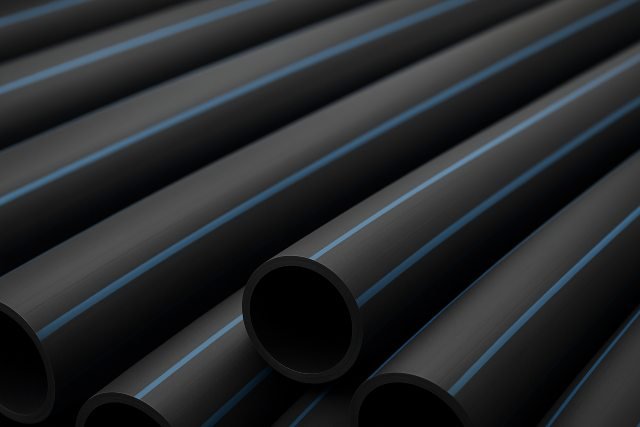
What Is a Medium Density Polyethylene Pipe?
A medium density polyethylene pipe (MDPE pipe) is a type of plastic piping made from medium-density polyethylene material. Known for its flexibility, durability, and chemical resistance, MDPE pipes are widely used for water supply, gas distribution, and industrial fluid transfer.
Unlike low-density polyethylene (LDPE) or high-density polyethylene (HDPE) pipes, MDPE pipes balance flexibility and strength, making them ideal for both underground and above-ground installations.
What Makes MDPE Pipes Different?
The term “medium density” refers to the pipe’s polymer density — typically ranging between 0.926 and 0.940 g/cm³. This density gives the material unique mechanical properties:
| Property | MDPE Pipe | LDPE Pipe | HDPE Pipe |
|---|---|---|---|
| Density | 0.926–0.940 g/cm³ | < 0.925 g/cm³ | > 0.941 g/cm³ |
| Flexibility | High | Very High | Moderate |
| Strength | High | Moderate | Very High |
| Temperature Resistance | Up to 60°C | Up to 50°C | Up to 80°C |
Key Benefits of Medium Density Polyethylene Pipe
MDPE pipes are popular across construction, water management, and gas industries for good reason. Here are the main benefits of using medium density polyethylene pipe:
1. High Flexibility and Impact Resistance
MDPE pipes can withstand ground movement and vibration, reducing the risk of leaks or cracks. This makes them ideal for seismic zones or areas with unstable soil.
2. Corrosion and Chemical Resistance
Unlike metal pipes, MDPE does not corrode, rust, or react to most chemicals, ensuring a longer service life even in harsh environments.
3. Lightweight and Easy to Install
Its lightweight design allows for quick installation and lower transportation costs, reducing overall project expenses.
4. Leak-Free Jointing
MDPE pipes use electrofusion or compression fittings that create watertight seals — perfect for gas and water networks where leakage prevention is critical.
5. Longevity and Cost Efficiency
With a typical lifespan exceeding 50 years, medium density polyethylene pipes offer excellent return on investment and reduced maintenance costs.
Common Uses of Medium Density Polyethylene Pipe
1. Potable Water Supply
MDPE pipes are widely used for distributing drinking water due to their non-toxic composition and compliance with health standards.
2. Natural Gas Distribution
In gas networks, MDPE’s resistance to cracking and corrosion makes it a safe and reliable option.
3. Irrigation and Agricultural Systems
Farmers and landscapers prefer MDPE for irrigation because it’s UV-stabilized and can handle pressure variations effectively.
4. Sewage and Drainage Systems
Their chemical inertness makes MDPE suitable for transporting wastewater, protecting against contamination and chemical reactions.
5. Industrial and Mining Applications
In chemical plants, oil refineries, and mines, MDPE pipes are used for fluid transport, slurry lines, and compressed air systems.
MDPE Pipe Properties and Technical Specifications
Below are the key properties that make MDPE pipes a top choice for engineers and contractors:
| Property | Description |
|---|---|
| Density | 0.926–0.940 g/cm³ |
| Tensile Strength | 12–20 MPa |
| Temperature Range | –20°C to +60°C |
| Melting Point | 120–130°C |
| UV Resistance | High (with stabilizers) |
| Flexibility | Excellent for underground installations |
| Pressure Rating | Commonly SDR 11, SDR 17, SDR 21 |
How MDPE Pipes Compare to HDPE and PVC Pipes
| Feature | MDPE | HDPE | PVC |
|---|---|---|---|
| Flexibility | High | Moderate | Low |
| Temperature Tolerance | Medium | High | Medium |
| Corrosion Resistance | Excellent | Excellent | Good |
| Jointing | Electrofusion/Compression | Butt Fusion | Solvent Cement |
| Cost | Moderate | Higher | Lower |
Verdict:
MDPE strikes a balance between HDPE’s strength and PVC’s affordability, making it a versatile choice for a wide range of projects.
Installation and Maintenance Tips
To ensure optimal performance and longevity, follow these guidelines:
- Use proper jointing techniques like electrofusion for secure fittings.
- Avoid sharp bends during installation to prevent stress points.
- Test for leaks after laying the pipe system.
- Store pipes in shaded areas to minimize UV degradation before installation.
FAQs About Medium Density Polyethylene Pipe
1. What is the lifespan of an MDPE pipe?
Most MDPE pipes can last 50–100 years depending on environmental conditions and maintenance.
2. Can MDPE pipes handle hot water?
They’re designed for cold and ambient water applications; for hot water, PEX or HDPE pipes are recommended.
3. Is MDPE safe for drinking water?
Yes. Certified MDPE pipes are non-toxic and comply with potable water standards (BS EN 12201, ISO 4427).
4. How are MDPE pipes joined?
Using compression fittings or electrofusion welding, both offering leak-proof connections.
Environmental Impact and Sustainability
MDPE is 100% recyclable, and its production process has a lower carbon footprint than metal alternatives. Its long lifespan and minimal leakage also help conserve resources, making it an eco-friendly choice for modern infrastructure.
Conclusion: Why Choose Medium Density Polyethylene Pipe?
A medium density polyethylene pipe offers the perfect combination of strength, flexibility, and durability, making it ideal for gas, water, and industrial applications. Its low maintenance, corrosion resistance, and cost-effectiveness make it a top choice for engineers, contractors, and utility providers worldwide.
Whether you’re planning a new water supply system or upgrading an old network, MDPE pipes deliver long-term performance and reliability.