
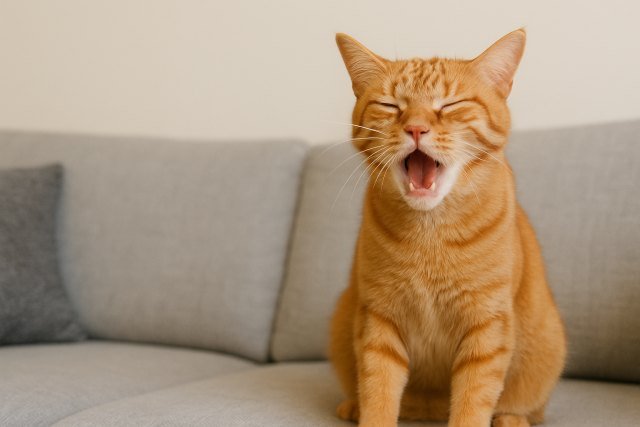
If you’re wondering “why is my cat sneezing?”, you’re not alone. Cat sneezing is one of the most common concerns cat owners search for — and while many causes are harmless, others may require veterinary attention. Understanding the reasons and knowing simple home checks can help you determine whether it’s a minor irritation or a sign of something more serious.
This detailed, SEO-friendly guide covers the top causes, symptoms, treatments, home checks, and when to call a vet — all backed by veterinary insights and reputable sources.
What Does It Mean When a Cat Sneezes? (Quick Answer for Featured Snippet)
A cat sneezing is usually caused by irritants, allergies, or upper respiratory infections. Occasional sneezes are normal, but frequent sneezing — especially with discharge, coughing, or appetite loss—may indicate infection, dental disease, or environmental triggers.
Common Reasons Why Your Cat May Be Sneezing
Below are the most likely explanations for why your cat is sneezing, from mild to serious concerns.
1. Irritants and Environmental Triggers
Just like humans, cats sneeze when something irritates their nasal passages.
Common irritants include:
- Dust and pollen
- Air fresheners or scented candles
- Cigarette or cooking smoke
- Cleaning products
- Perfume
- Litter dust (especially clay litter)
Home check:
Observe whether sneezing increases after cleaning, cooking, spraying fragrance, or changing litter.
Tip: Switching to low-dust or natural litter often reduces sneezing.
2. Upper Respiratory Infections (URIs)
URIs are the leading cause of persistent sneezing in cats. About 80–90% of infectious sneezing is caused by viruses such as:
| Virus/Bacteria | Description | Common Symptoms |
|---|---|---|
| Feline Herpesvirus (FHV-1) | Stress-triggered, lifelong | Sneezing, watery eyes, nasal discharge |
| Feline Calicivirus (FCV) | Contagious, affects mouth too | Ulcers, coughing, fever |
| Chlamydophila felis | Bacterial | Conjunctivitis, eye swelling |
| Bordetella bronchiseptica | Bacterial | Nasal discharge, coughing |
Signs it may be a URI:
- Frequent sneezing fits
- Green or yellow discharge
- Eye crusting or swelling
- Fever or lethargy
- Loss of appetite
Trusted source: Cornell Feline Health Center confirms URIs are extremely common in multi-cat environments.
3. Allergies
Although less common than in humans, cats can develop allergies to:
- Food ingredients
- Dust mites
- Mold
- Fleas
- Seasonal pollen
Symptoms of allergies:
- Clear nasal discharge
- Itchy skin
- Excessive grooming
- Ear infections
Allergies usually cause occasional sneezing, not constant sneezing.
4. Dental Disease
A surprising but significant cause of sneezing is dental problems.
Because a cat’s tooth roots sit close to the sinuses, an infection can spread and lead to:
- Sneezing
- Nasal discharge
- Bad breath
- Drooling
- Pawing at the mouth
Over 50% of cats over age 3 have dental disease, according to the American Veterinary Dental College (AVDC).
5. Foreign Objects
Cats who explore outdoors or play with stringy objects may inhale:
- Grass blades
- Seeds
- Dust
- Paper or fabric fibers
Signs a foreign object is stuck:
- Sudden sneezing fits
- Pawing at the nose
- Bloody discharge
- Sudden distress
This requires immediate veterinary attention.
6. Fungal Infections (Less Common but Serious)
Fungal infections like Cryptococcus can cause:
- Hard nasal swelling
- Chronic discharge
- Weight loss
- Neurological changes (rare cases)
This is more common in outdoor cats.
7. Tumors or Nasal Polyps
In older cats or those with chronic issues, nasal growths may be the cause.
Signs:
- Persistent one-sided sneezing
- Bloody discharge
- Breathing noise
Veterinary imaging is needed for diagnosis.
Easy Home Checks to Understand Why Your Cat Is Sneezing
Here’s a simple, step-by-step checklist to help cat owners troubleshoot safely.
1. Check for Discharge
Look for:
- Clear discharge → allergies or irritants
- Green/yellow discharge → infection
- Bloody discharge → injury or growths
2. Inspect the Litter Box Area
Ask yourself:
- Have you switched to a new litter brand?
- Is there excessive dust when scooping?
- Do you use scented litter?
Try switching to unscented, dust-free litter for a week.
3. Observe Environmental Changes
Did you recently…
- Start using candles?
- Spray air fresheners?
- Clean with strong chemicals?
- Paint or renovate your home?
Cats are extremely sensitive to scent and airborne particles.
4. Check for Other Symptoms
Sneezing alone is usually mild, but sneezing + these symptoms means trouble:
- Not eating
- Lethargy
- Coughing
- Drooling
- Swollen eyes
If you notice any of these, call a vet.
5. Perform a Gentle Mouth Check
Look for:
- Red gums
- Bad breath
- Broken teeth
- Drooling
If your cat resists or seems painful, stop and ask a vet.
6. Consider Your Cat’s Age & Lifestyle
Young kittens → more prone to URIs
Senior cats → more prone to tumors or dental disease
Outdoor cats → higher risk of fungi, foreign bodies, viruses
When to See a Veterinarian
Call a vet immediately if your cat has:
- Green or yellow discharge
- Blood from the nose
- Sneezing for more than 72 hours
- Loss of appetite
- Eye swelling
- Difficulty breathing
- Sudden behavior change
If your cat is vaccinated, mild URIs may resolve with supportive care — but sneezing lasting longer than a few days is worth checking.
How Vets Diagnose Sneezing in Cats
A veterinarian may perform:
- Physical exam
- Nasal swab for viruses or bacteria
- Bloodwork
- Dental exam or x-rays
- Nasal endoscopy
- Skull imaging (CT scan)
These identify infections, tumors, or foreign bodies.
Home Remedies & Safe Care Tips
These do not replace veterinary care, but can help mild cases:
1. Increase Humidity
Use a humidifier to ease nasal irritation, especially in winter.
2. Clean Eyes & Nose Gently
Use warm, damp cotton pads to clear discharge.
3. Improve Air Quality
Avoid smoking, candles, aerosols, strong cleaners.
4. Support the Immune System
High-quality diet
Omega-3 supplements (vet-approved)
Stress reduction (important for feline herpes)
5. Encourage Hydration
Wet food or a cat water fountain helps thin mucus.
Expert Tips to Prevent Sneezing in Cats
- Keep vaccinations up to date
- Use dust-free, unscented litter
- Clean bedding weekly
- Maintain a low-stress environment
- Brush your cat regularly
- Provide regular dental checkups
Frequently Asked Questions (FAQs)
1. Why is my cat sneezing all of a sudden?
Sudden sneezing often indicates irritants or inhaled particles, but can also be early signs of a respiratory illness.
2. Why is my cat sneezing but acting normal?
Occasional sneezing without other symptoms usually points to allergies or mild irritants.
3. Why is my cat sneezing and has watery eyes?
This often indicates a viral URI such as feline herpesvirus.
4. Why is my cat sneezing blood?
This is serious — possible causes include trauma, foreign bodies, infection, or tumors. Seek vet care immediately.
5. Is cat sneezing contagious to humans?
Common feline viruses (FHV-1, FCV) are not contagious to humans.
Conclusion
If you’re asking yourself, “why is my cat sneezing?”, the cause may be as simple as dust or as complex as an infection or dental problem. By using the home checks, understanding symptoms, and monitoring behavior, you can better determine whether your cat needs simple environmental changes or veterinary care. When in doubt, always consult your vet — early detection makes treatment easier and helps keep your cat healthy and comfortable.